★ Week Six Itinerary:

- Rotterdam, The netherlands
- brussels, belgium
- luxembourg, luxembourg
Rotterdam, The Netherlands
Amsterdam 🚌 Rotterdam
Rotterdam, The Netherlands | September 2nd – 5th.
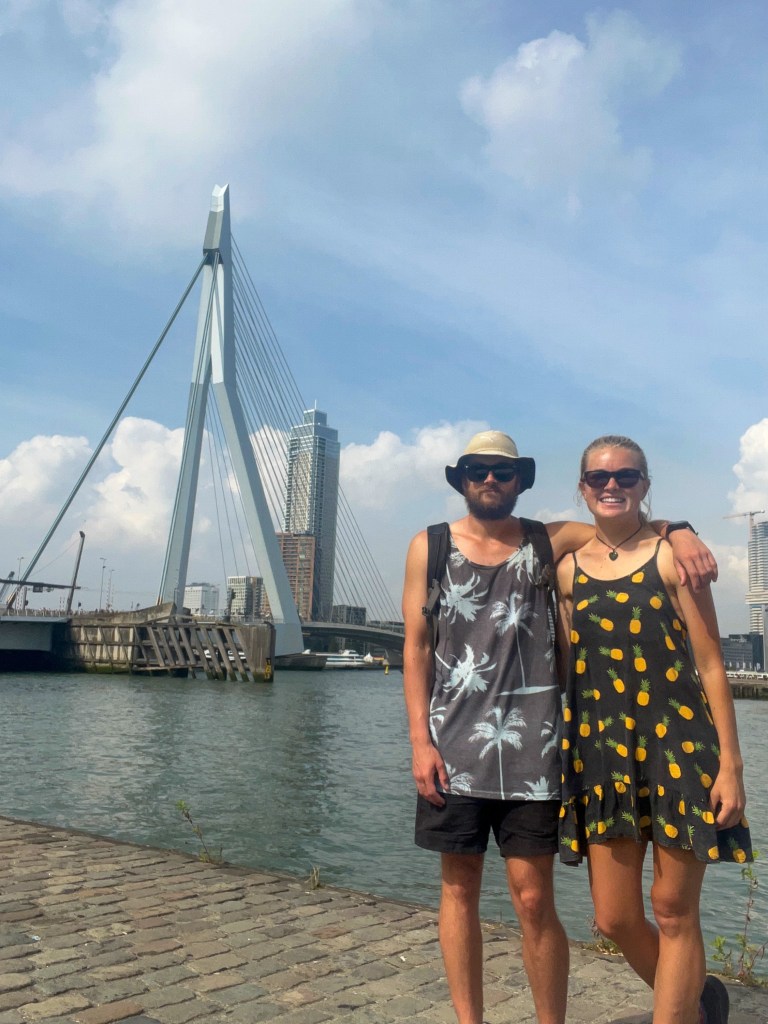
While still in The Netherlands and after the high that was Amsterdam, it seemed a shame to leave this beautiful country… so we ventured south to the city of Rotterdam.
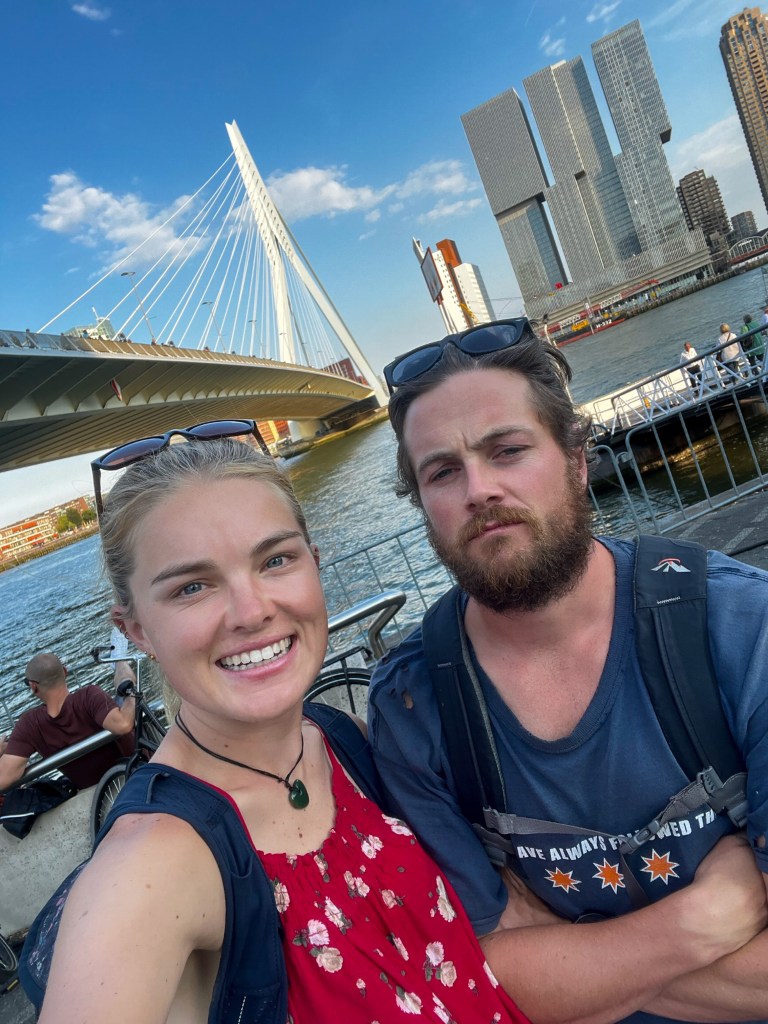

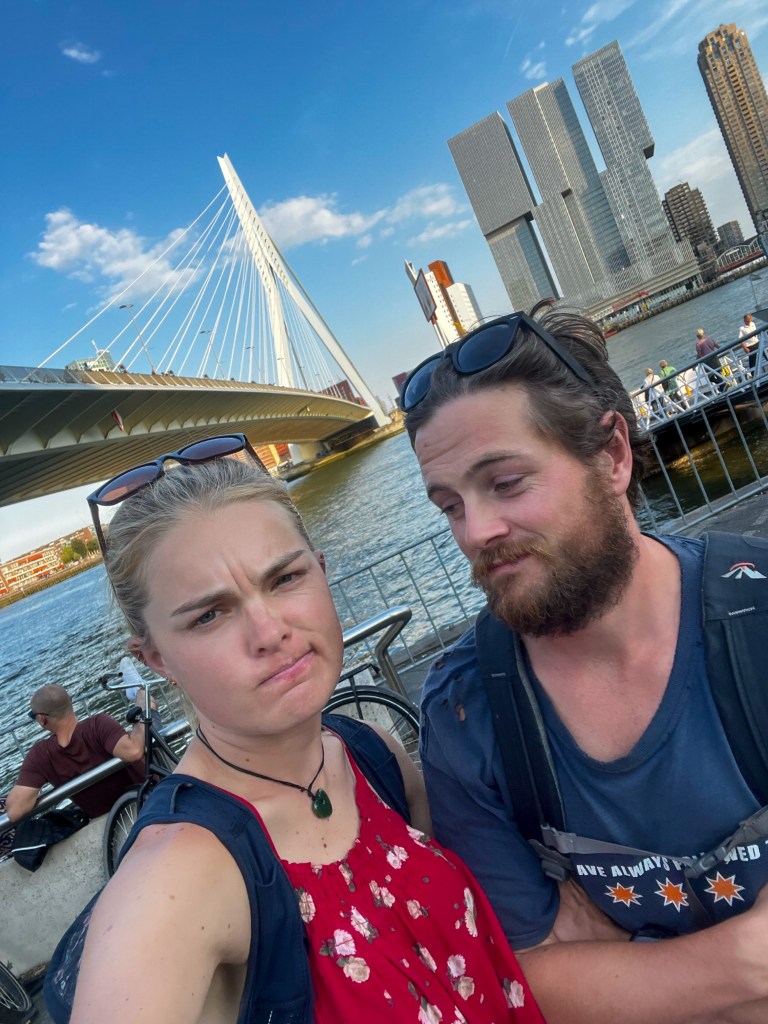
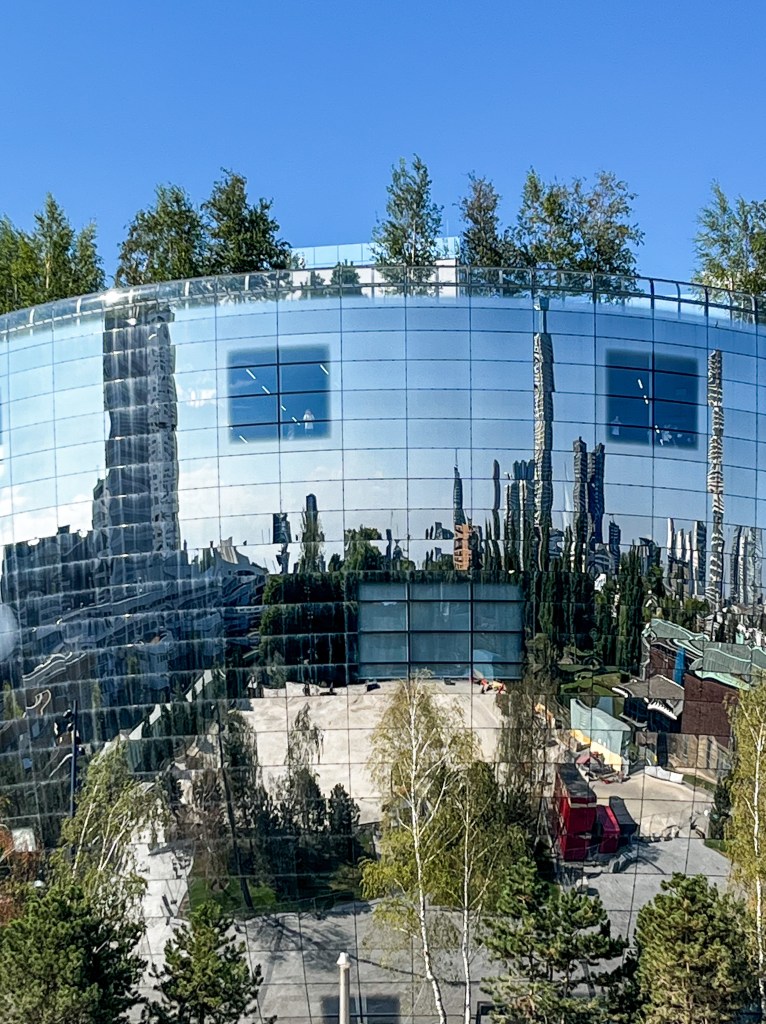
In contrast to the capital, Rotterdams architecture is very modern predominantly due to the Rotterdam Blitz. During the Battle of the Netherlands in WWII, German soldiers were victorious in seizing control of Rotterdam in May of 1950, very sadly this came at the expense of many innocent lives and the entire historic city centre.
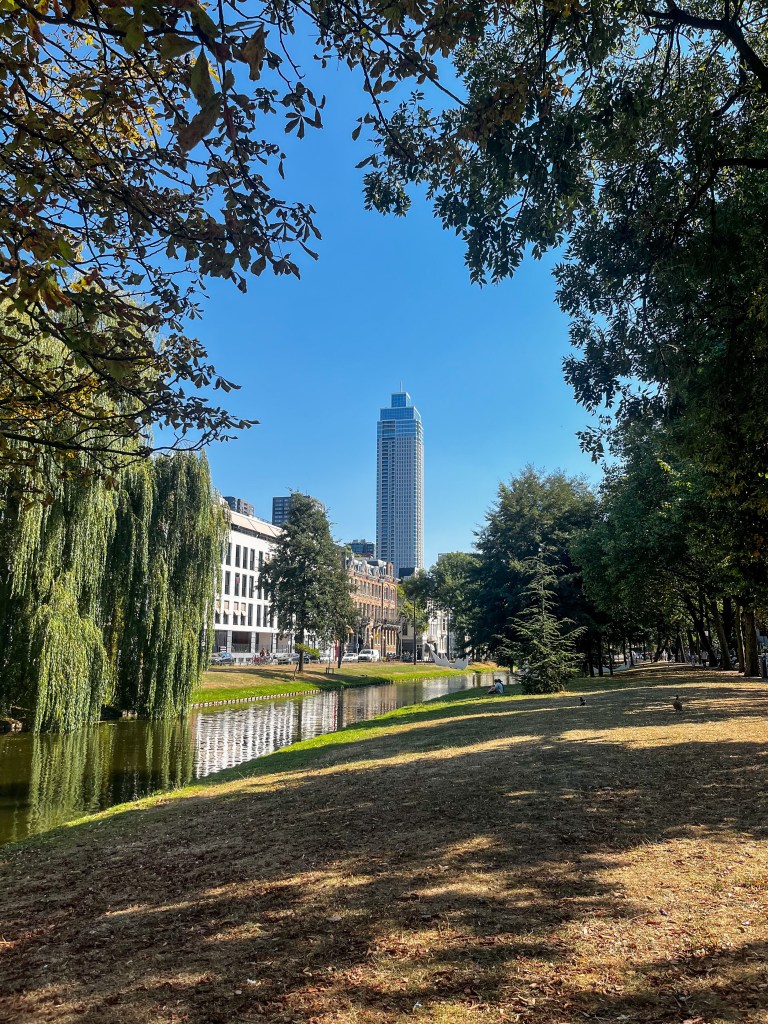
Now having rebuilt the city is able to portray unity, cultural diversity and acceptance of all within their structures. 🙂 I still prefer the old town historic buildings and gothic era though… it’s just so pretty!

During our time in Rotterdam it coincided with the Maritiem Wereld Haven Dagen which was great fun. 🙂 Along side the Nieuwe Waterweg everyday they offered free tours of maritime ships, navy vessels and provided displays of the airforce helicopters (that was my favourite part). At night there were live performances, a myriad of food stalls and even a fireworks display.

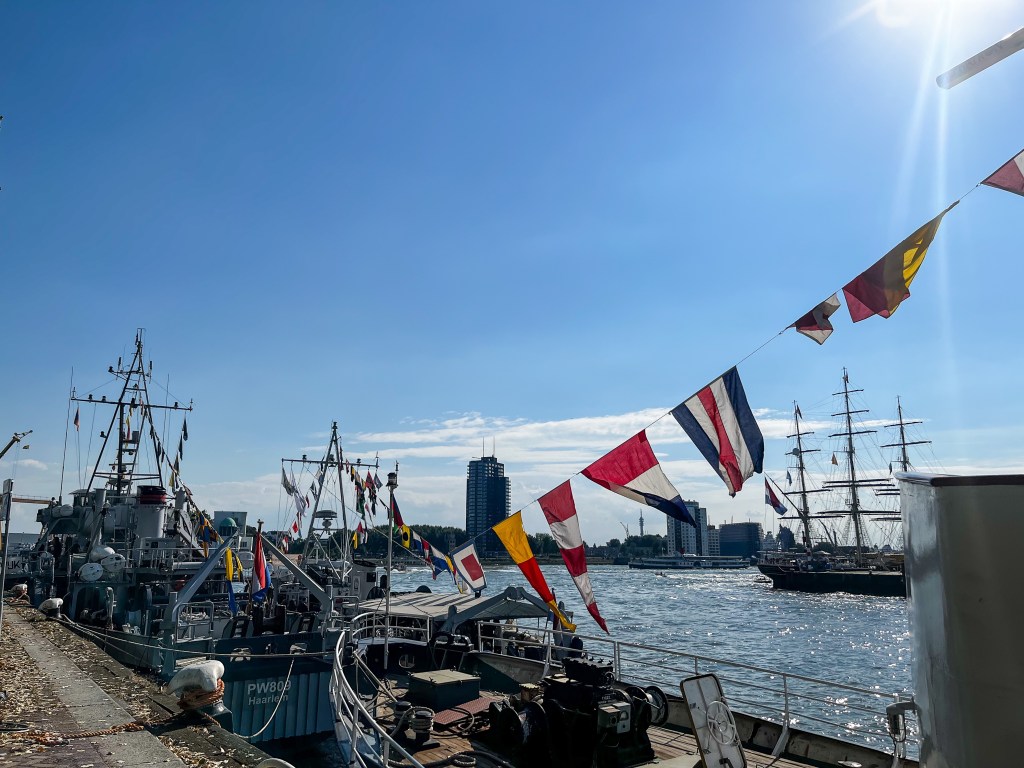

This festival has been held annually since 1978 (barring pandemic years obviously) and has become the largest of its kind in the Netherlands, so if your a boating, helicopter or navy enthusiast and happen to be in Rotterdam when it’s on I definitely recommend you check it out.
Some of the many sights we explored while in Rotterdam include the:
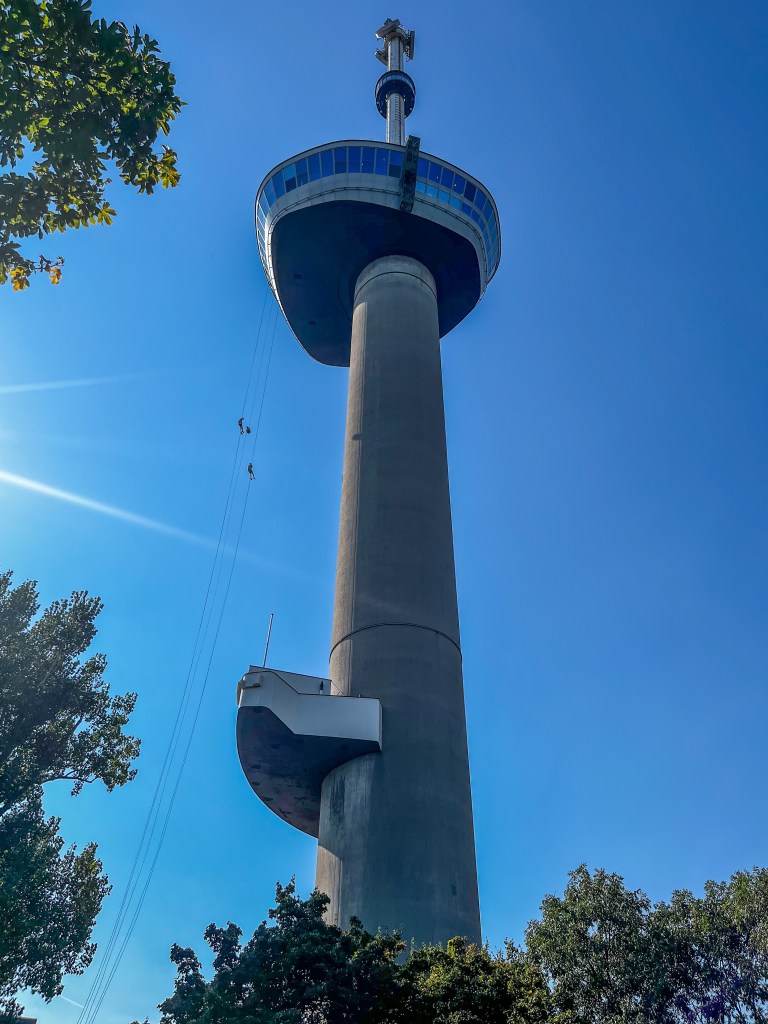
- Euromast, nearby Het and Historische Tuin Schoonoord
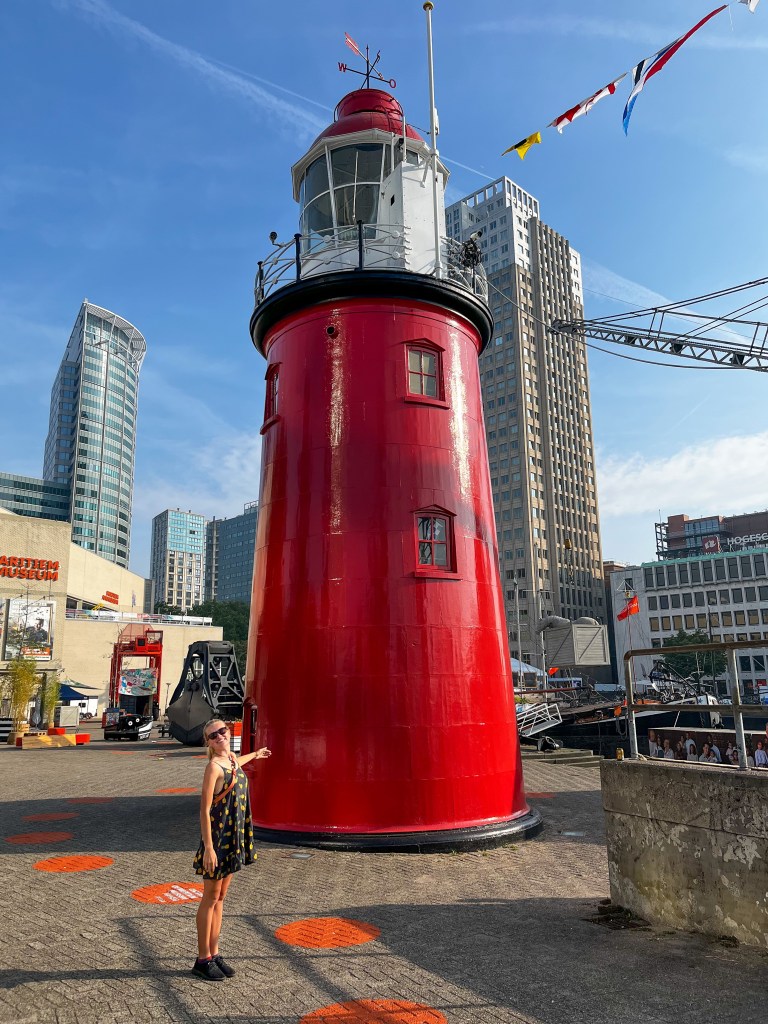
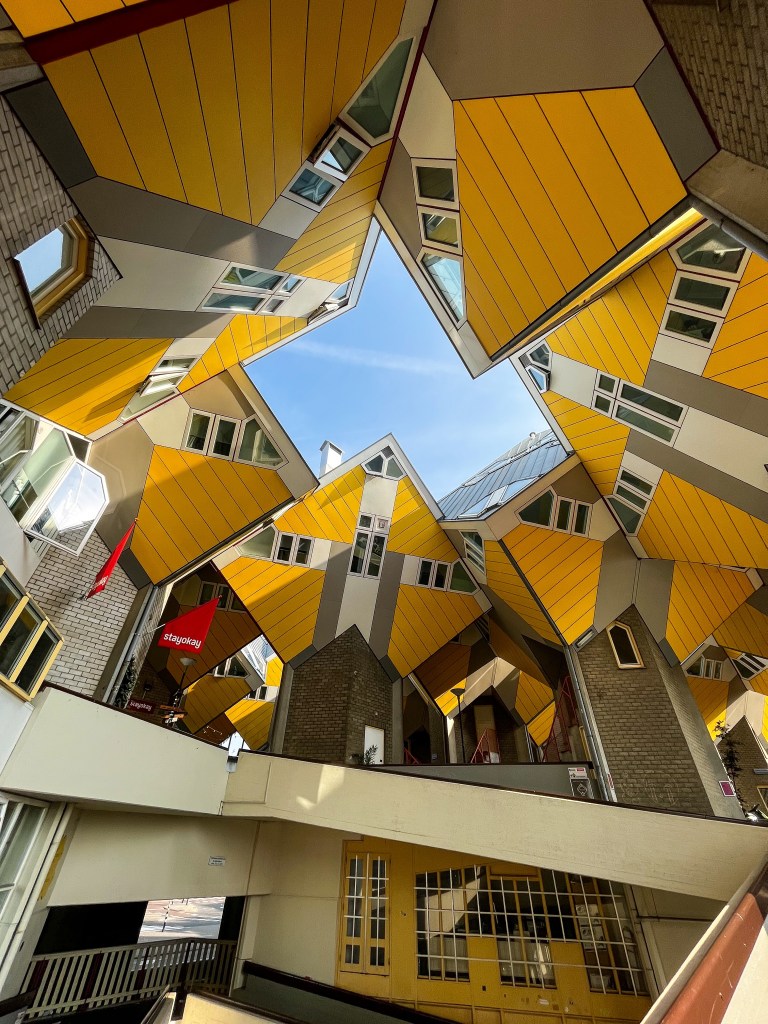
- de Boeg, the Low Light of the Hook Of Holland, Markthal building, Nieuwe Delftse Poort, Erasmus monument and Kijk-Kubus (Cube Houses)
- we tried The Netherlands famous tiny pancakes; poffertjes. Delicious! 😛
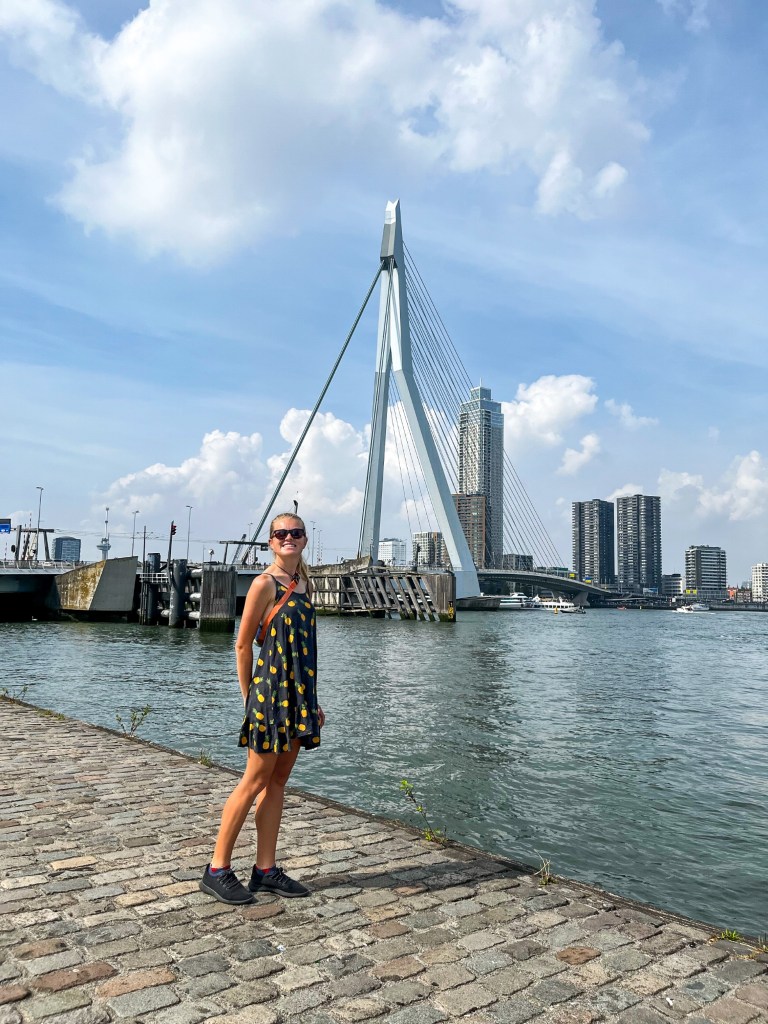
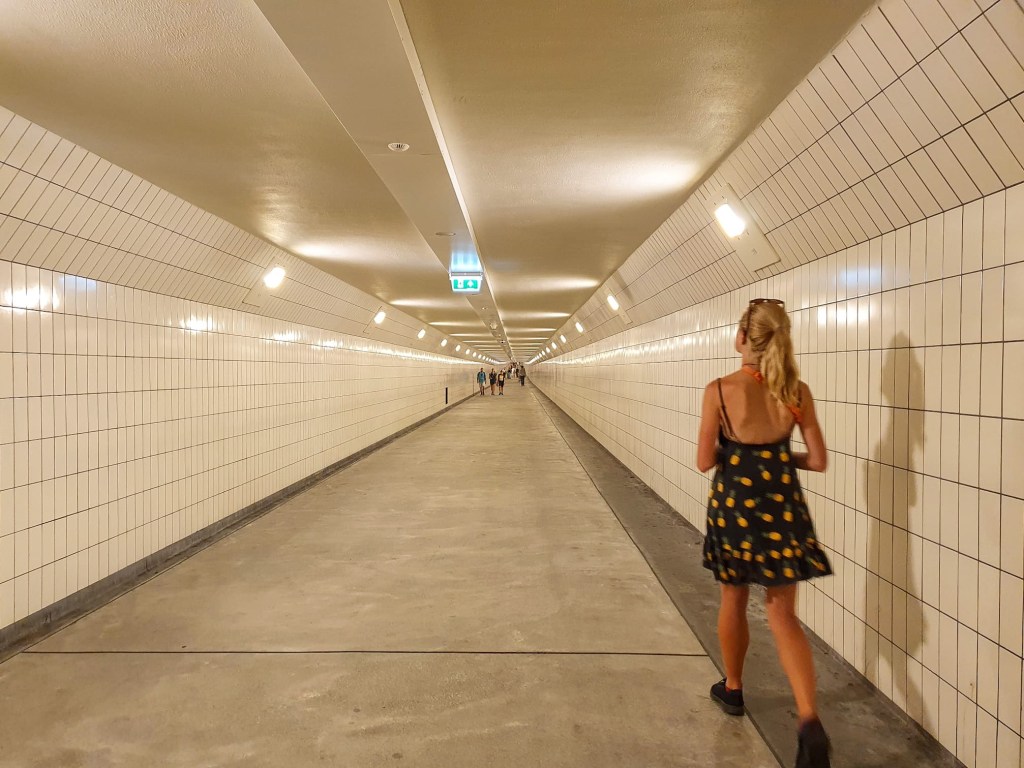
- Maastunnel and surrounding beautiful bridges (Koninginnebrug, De Hef and Erasmusbrug)



Brussels, Belgium
Rotterdam 🚌 Brussels
Brussels, Belgium | September 5th – 7th.
From The Netherlands we continued further south but this time to the home of fries and strong beer… to Brussels of course.
As the capital of Belgium and having previously been ruled by the ‘builder king’ Brussels is a gem for architecture! Many, many buildings and monuments were commissioned during Leopold the II’s reign for his vision of Brussels to become a ‘Little Paris’. While funding for the majority of the cities development came at the exploitation of Congos people and native resources (Universal Exhibition of 1897 being a prime, awful example of this) today when you wander around the old city centre it is pretty incredible. The Royal Museum for Central Africa, Cinquantenaire, Royal Greenhouse of Laeken and Avenue Louise are some of his more notable builds that you can also explore while in Brussels.


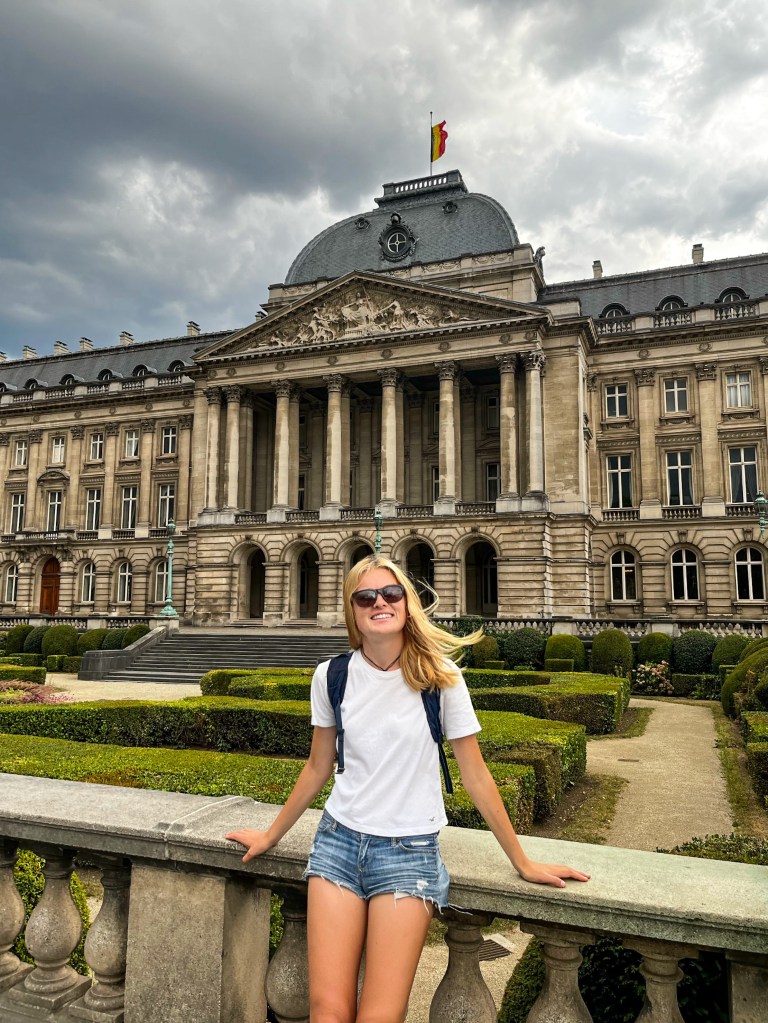
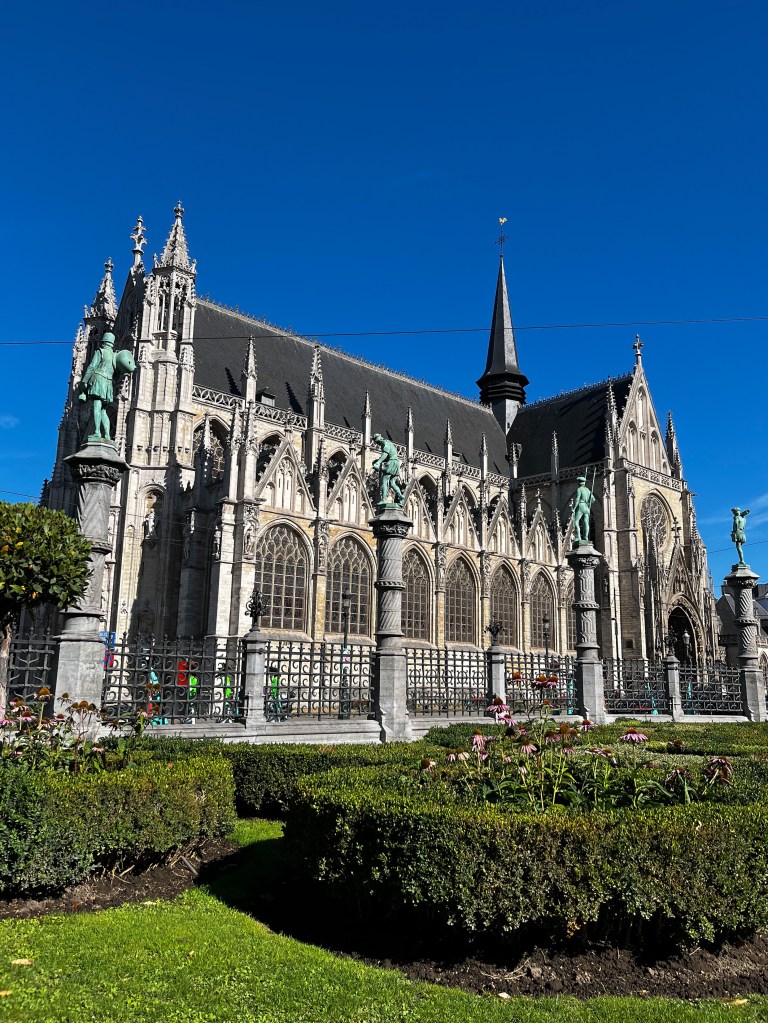

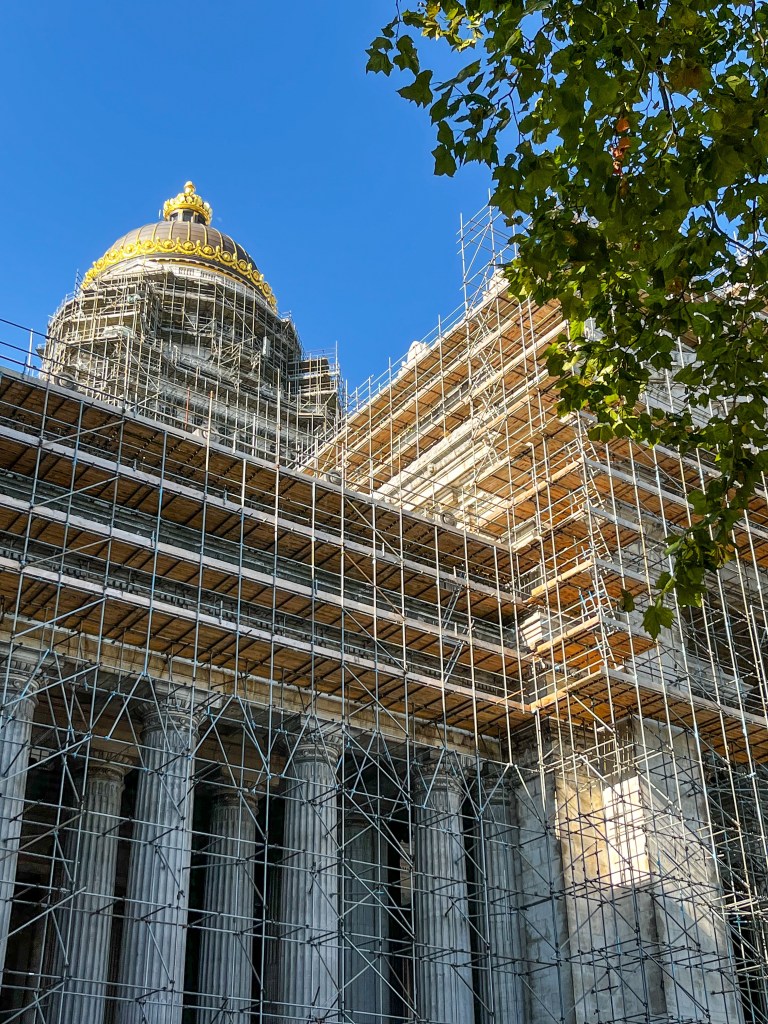
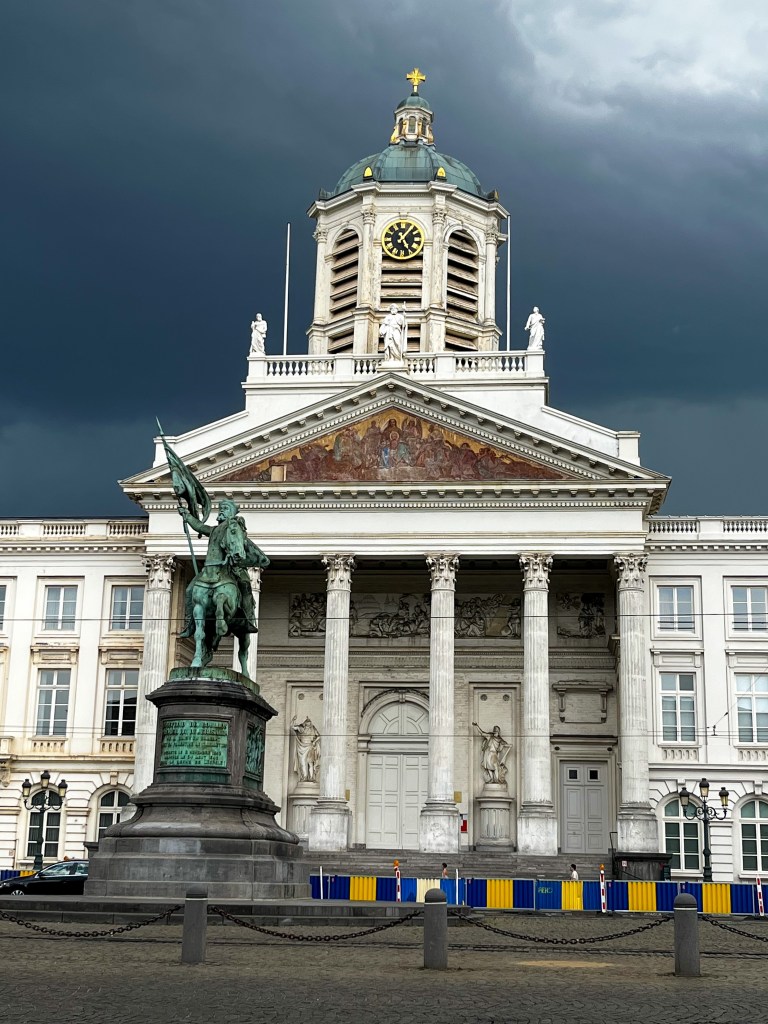
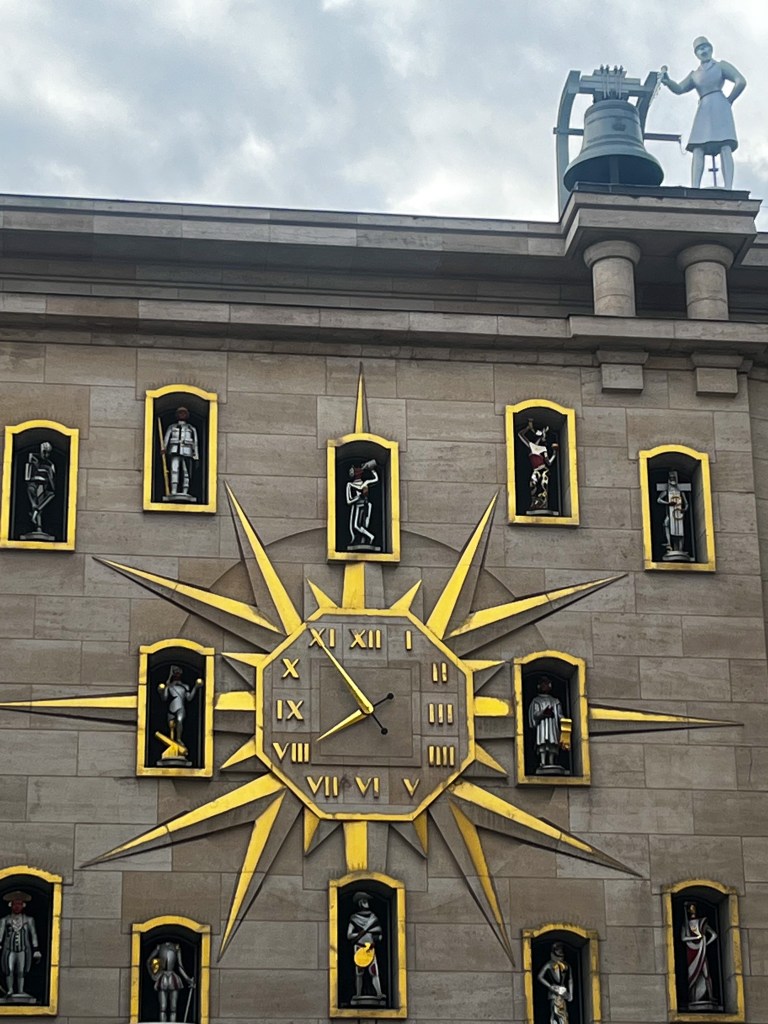
During our trots around the old town and nearby attractions we saw:
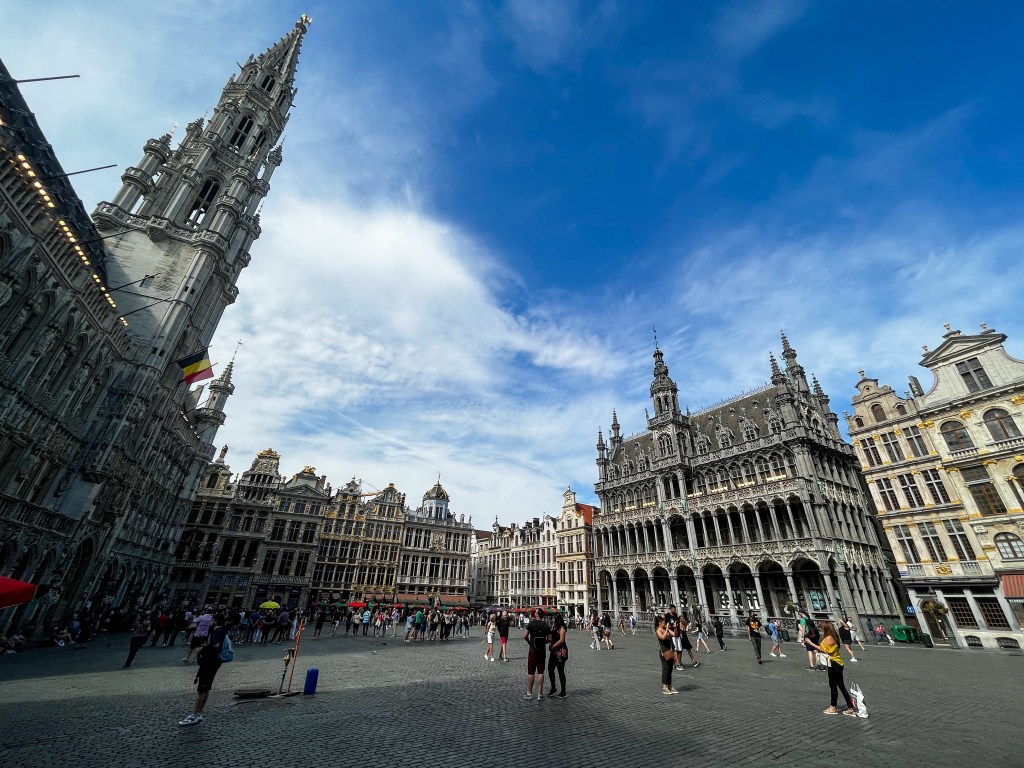
- Grand-Place square with many, many famous old town buildings.
- Church of Our Lady of Victories at the Sablon Notre-Dame, St Michael and St Gudula Cathedral.
- Trappist brewhouses – beer that is brewed by Trappist monks. There are thirteen monasteries that brew beer in the world and six of them are located in Belgium.
- Porte de Hal, Palais de Justice, Koningsplein, Mont des Arts and Stadsmuur en Villerstoren.
- Parc du Cinquantenaire and Royal Palace of Brussels.


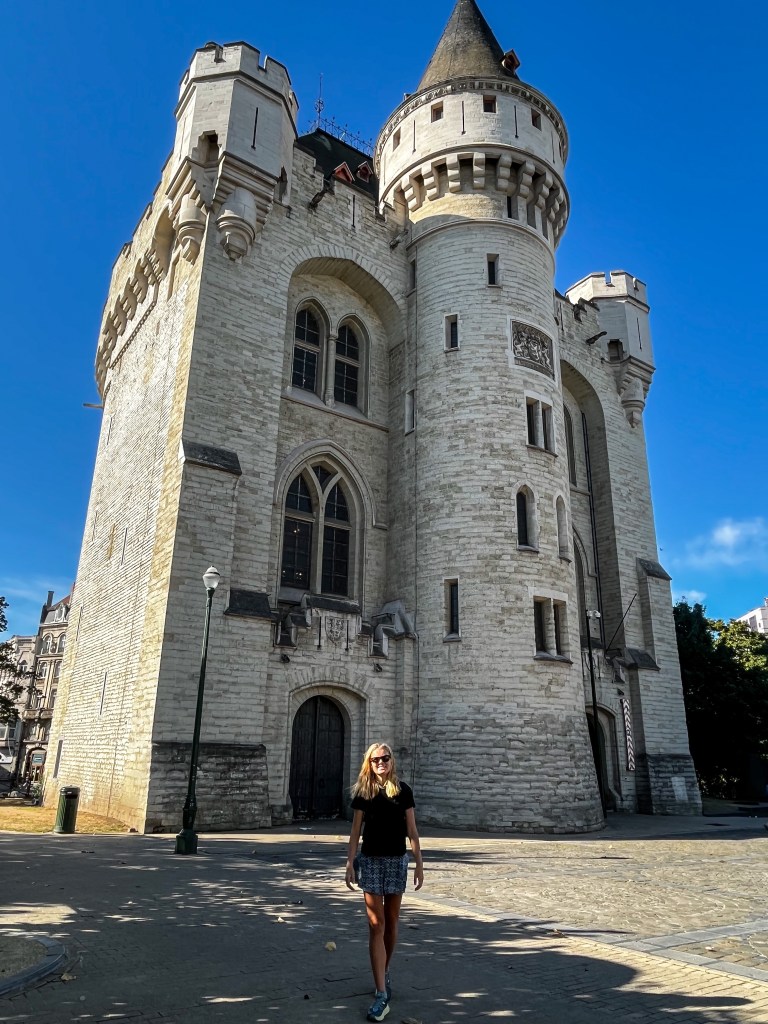
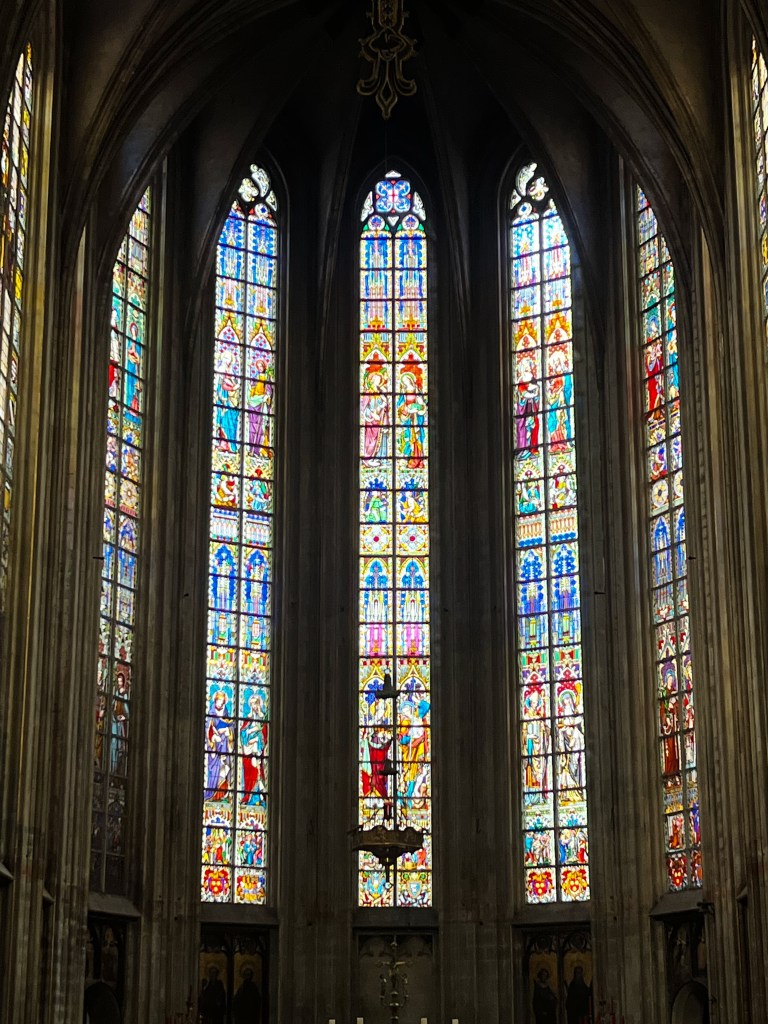
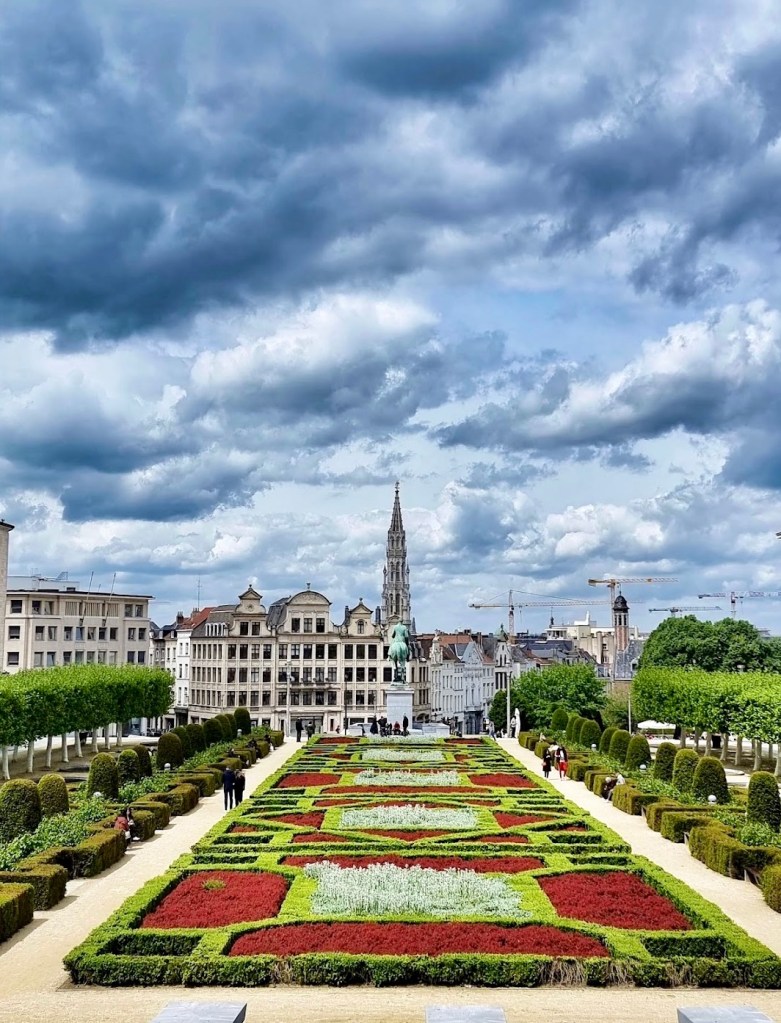

Similar to many other religious orders, monks started breweries to help feed their community in a time of self-sufficiency. Nowadays, Trappist breweries also brew beer to fund their works and charitable causes, though unfortunately many of the Trappist monasteries and breweries were destroyed during the French Revolution and World Wars.

A common misnomer that I feel should be corrected during this blog is that of fries. For years nations have fought over who invented them, the French, the Dutch, even the British have rallied to contest since first serving them with battered fish. But really who’s claim to fame is it that we have these delicious crispy morsels of potatoe goodness; I will set the record straight now! Well I’ll give you my opinion and you can take it with a pinch of salt (great fries pun there 😛 ).
The year was 1680, the town of Namur in francophone Belgium was experiencing a particularly cold winter resulting in the River Meuse freezing over. The locals unable to collect fish ostensibly fried potatoes instead and thus fries were born.
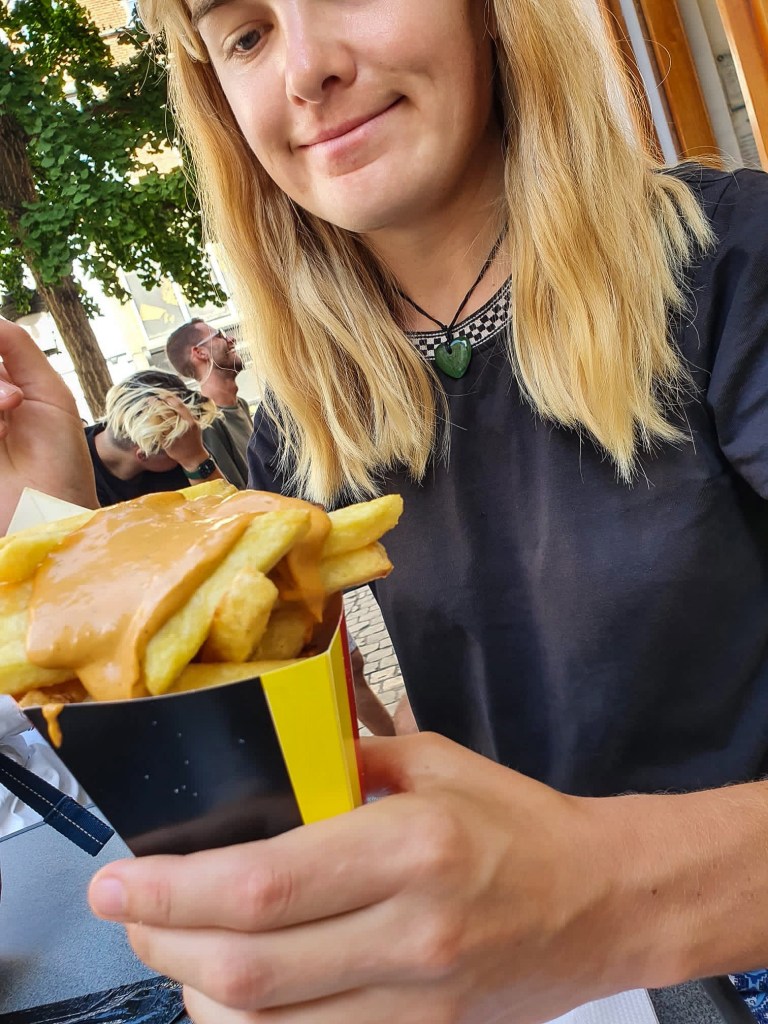
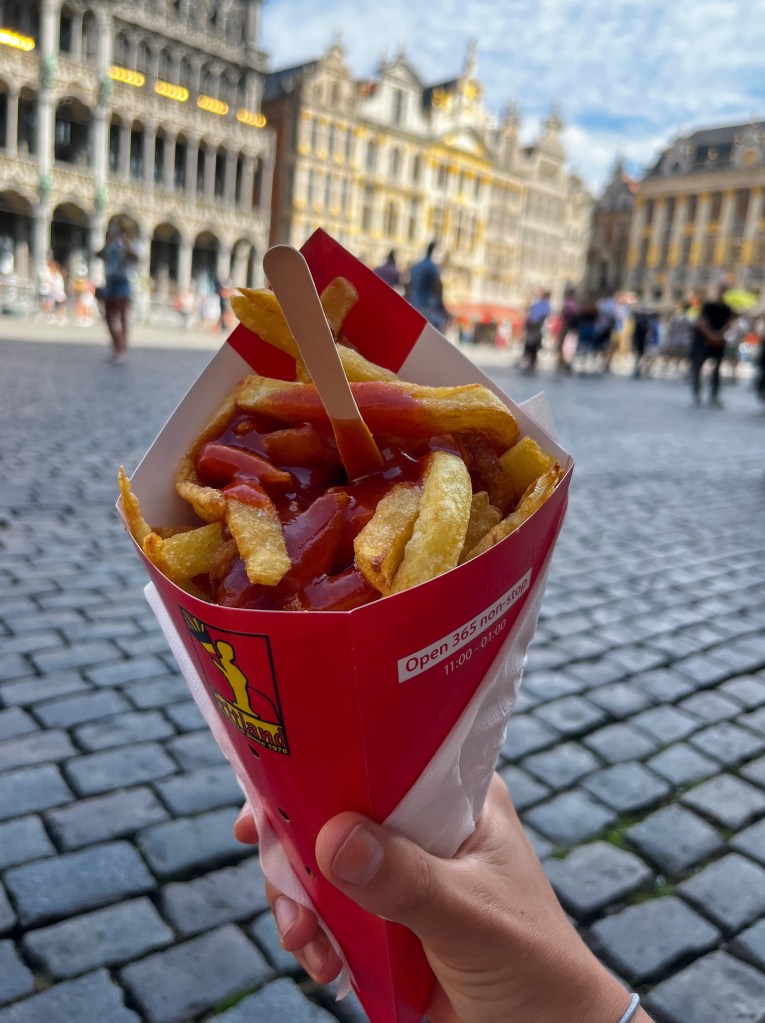
Later when the Americans visited Belgium during WWI they saw that the potatoes were cut length ways which was unique to them and resembled a thin French person, hence ‘french fries’. By the end of our time in Brussels I felt like a true coinisor of fries. Gosh had I eaten a lot of them but by know means am I complaining about it! 😉
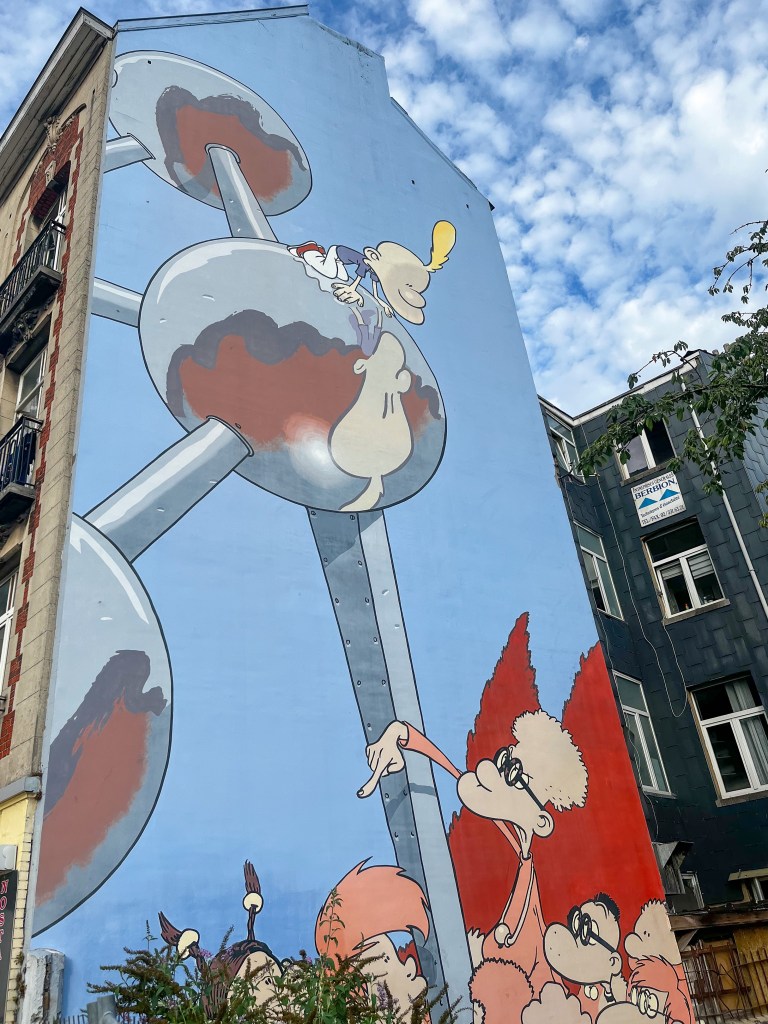
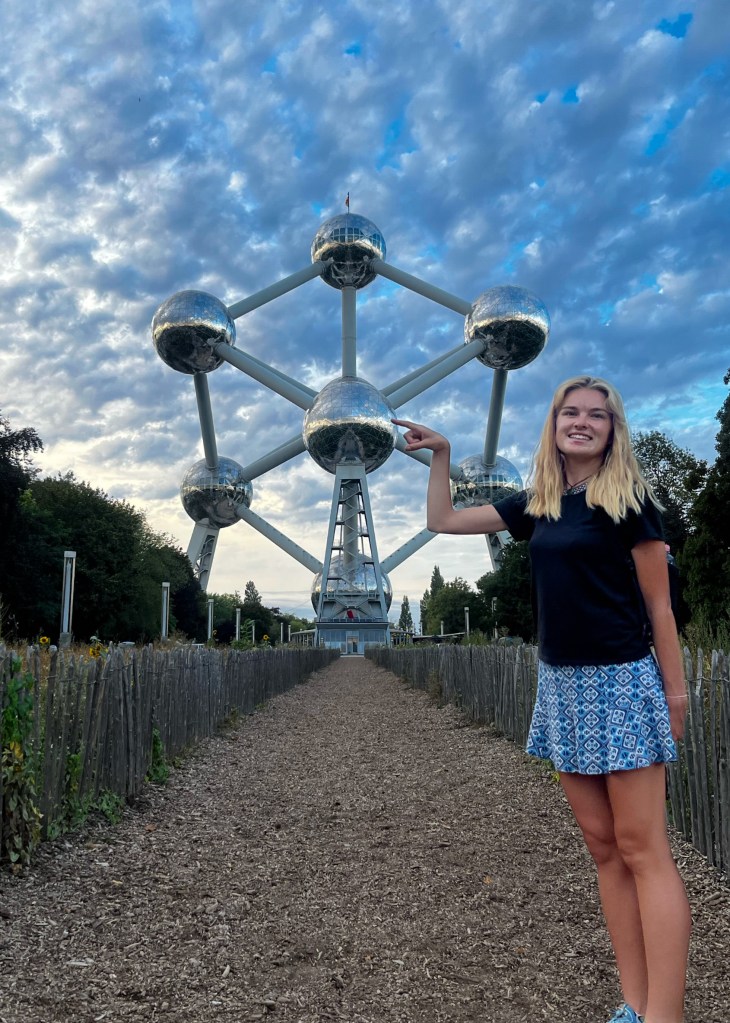
Our last day saw us head further out of the city centre. In the morning we went for a run around the surrounding suburbs, exercised in near by parks (had to work off all the potatoes consumed haha) and the afternoon saw us head in the opposite direction towards Osseghem Park and see the Atomium and Royal Greenhouse of Laeken.
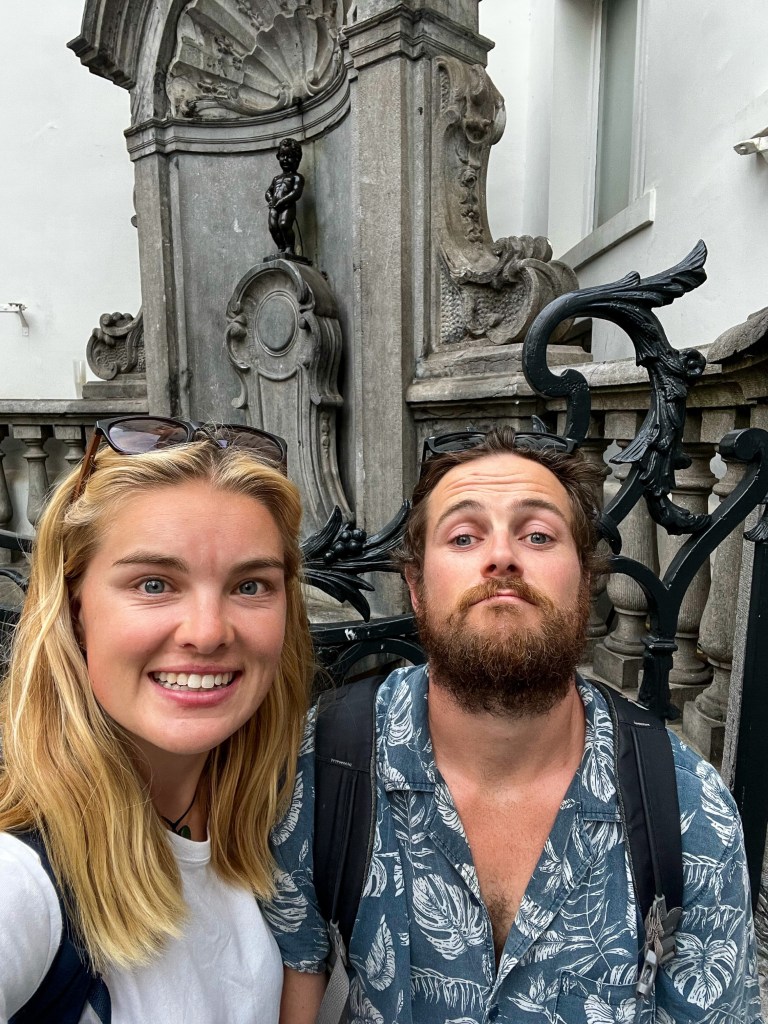
Oh and how can anyone go to Belgium without commenting on their icon… a naked little boy urinating into a fountain basin obviously. While the Manneken Pis might not exactly be an icon, he is the most famous landmark in Belgium and does feature on all their souvenirs and store fronts. He has a wardrobe of over one-hundred outfits and even an Instagram account! 😛
Supposedly the earliest mention of his existence can be found in official documentation from 1451–52 discussing the water lines supplying the city of Brussels and the fountains essential role in the distribution of safe drinking water. The original fountain was replaced in 1619 for a bronze version and as history would see it damaged and stolen repeatedly over the years. The current statue atop the fountain is a replica from 1965 with the remains of the original safely housed in a museum.
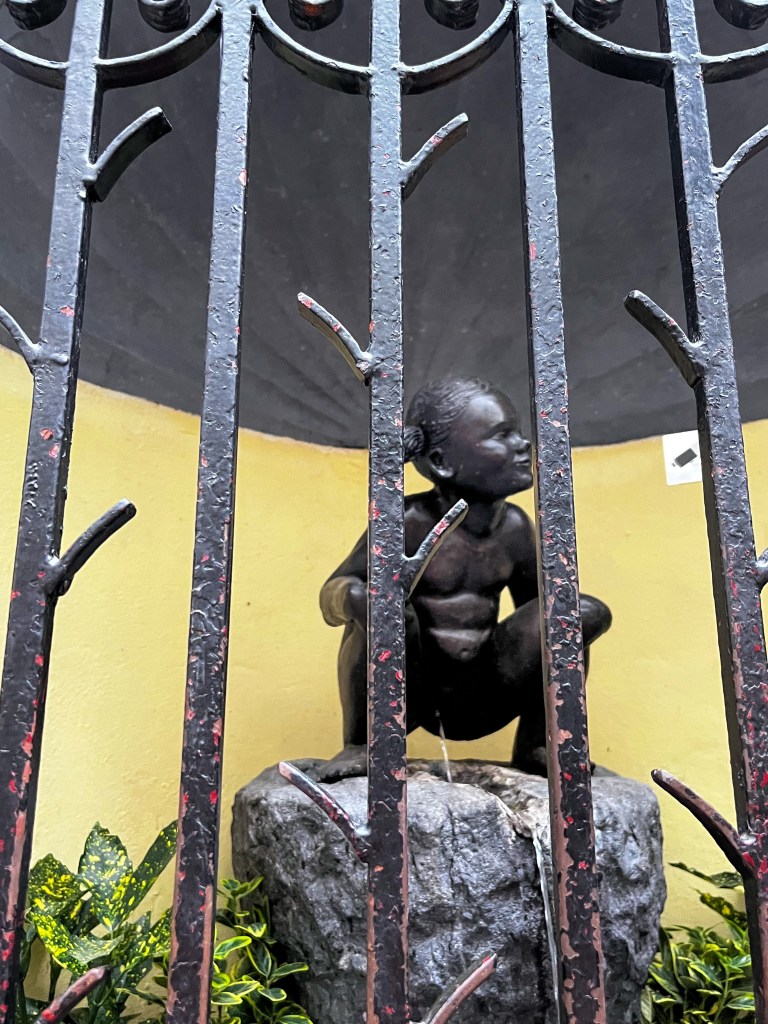
Next we visited the Jeanneke-Pis (it’s only fair if we visit the boy peeing that we see the girl version too – gender equality and all).
And before we knew it we were back on a bus and headed to Luxembourg.
Luxembourg, Luxembourg
Brussels 🚌 Luxembourg
Luxembourg, Luxembourg | September 7th – 9th.
For those of you scratching your head trying to work out geographically where Luxembourg is… don’t worry, you’re not alone. N.D and I decided on visiting Luxembourg on a whim, intrigued to know what was their, why is the country so small and without knowing anyone else who had been.

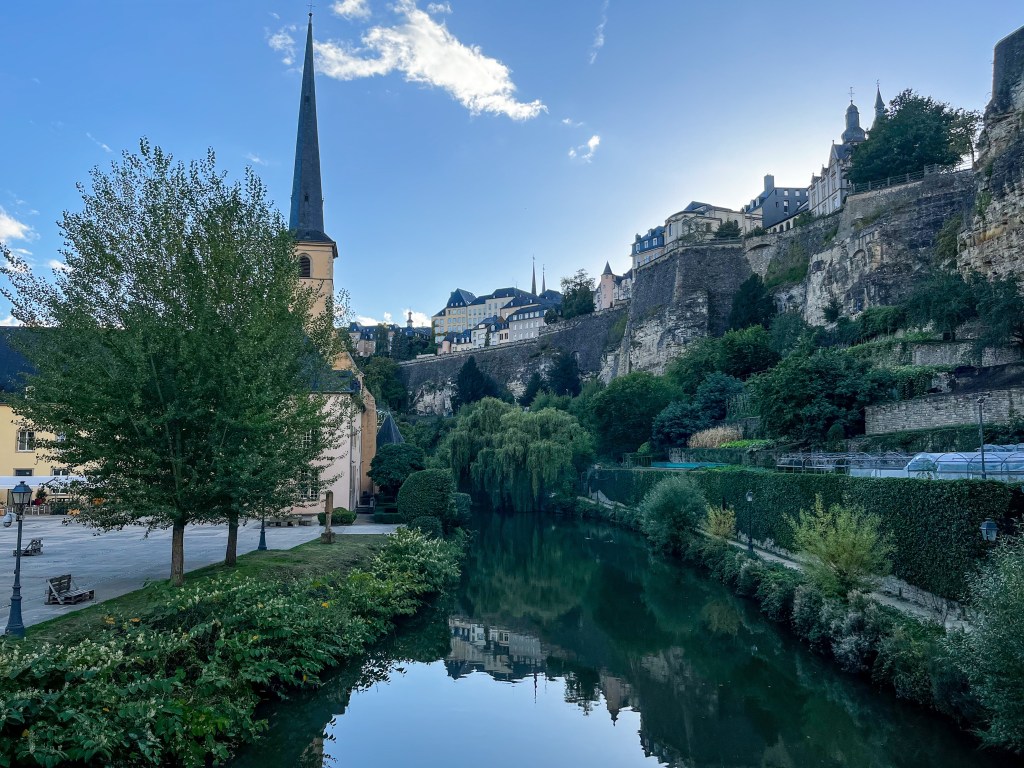
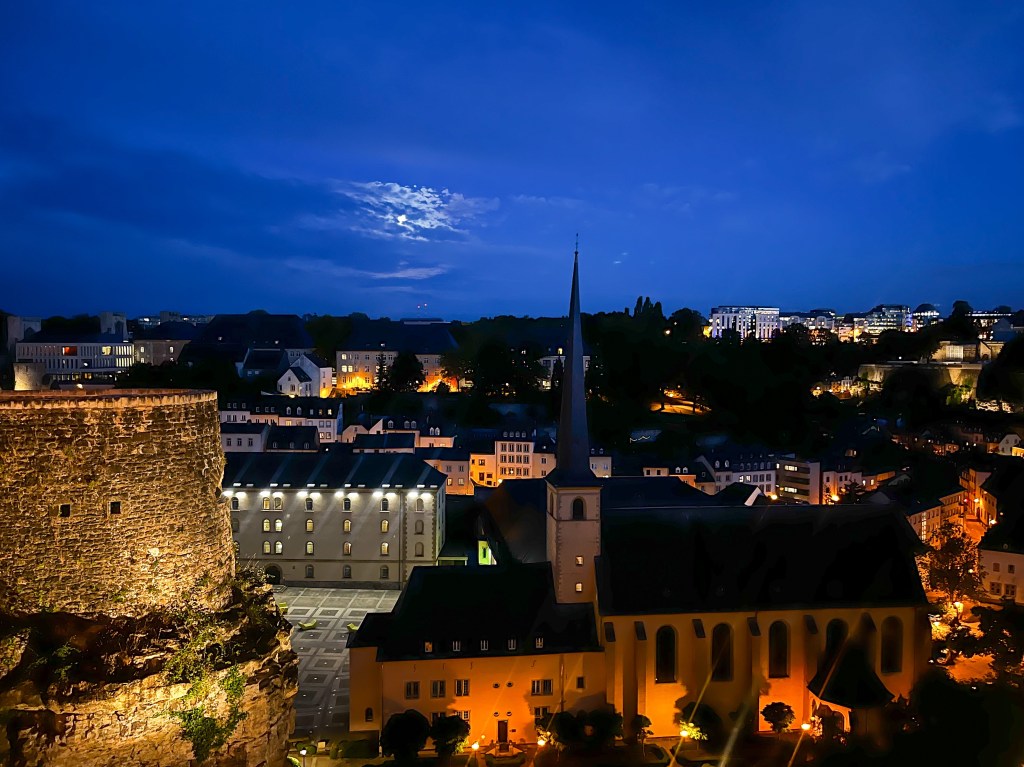
Officially named the Grand Duchy of Luxembourg, landlocked on all sides and measuring a mere 82km in length and 57km across; Luxembourg is the small empire of Western Europe. The country holds one of four institutional seats of the European Union, the seat of several EU agencies and more notably the Court of Justice position which has the highest judicial authority. When travelling around Luxembourg you can hear the locals speaking German, French and even Luxembourgish (initially we thought this was a made up word). In 1994 the city of Luxembourg was declared a UNESCO World Heritage Site due to the exceptional preservation of the vast fortifications and historic quarters.
With this in mind you can imagine how easy it was for us to trot around this beautiful city several times!!!
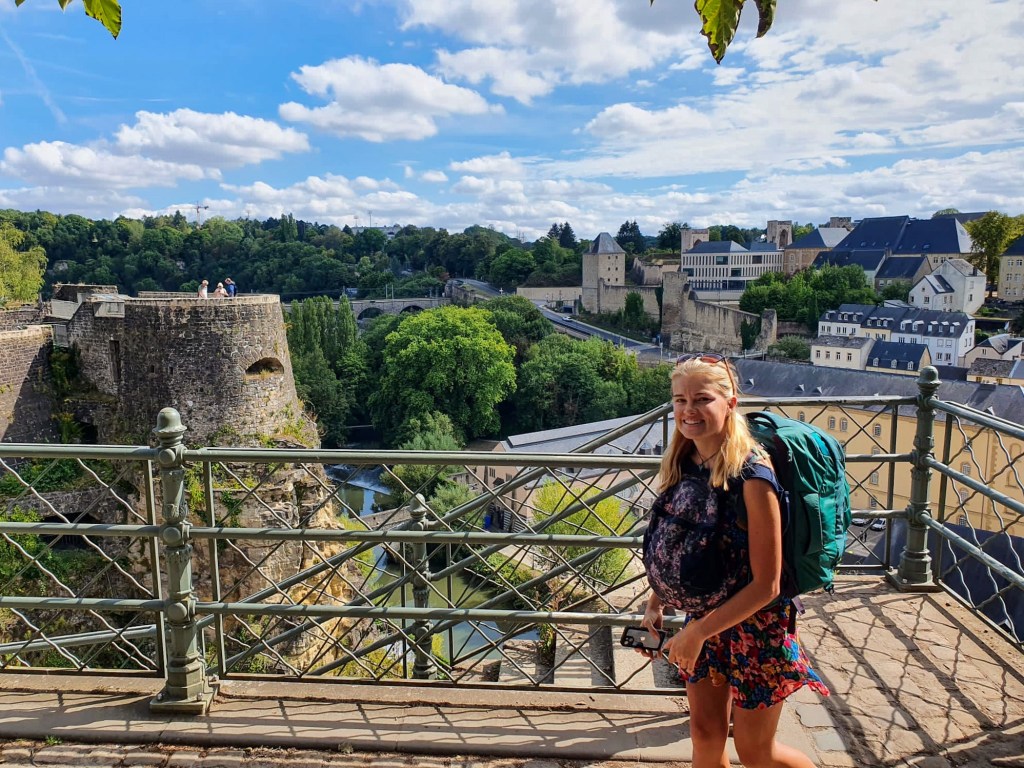
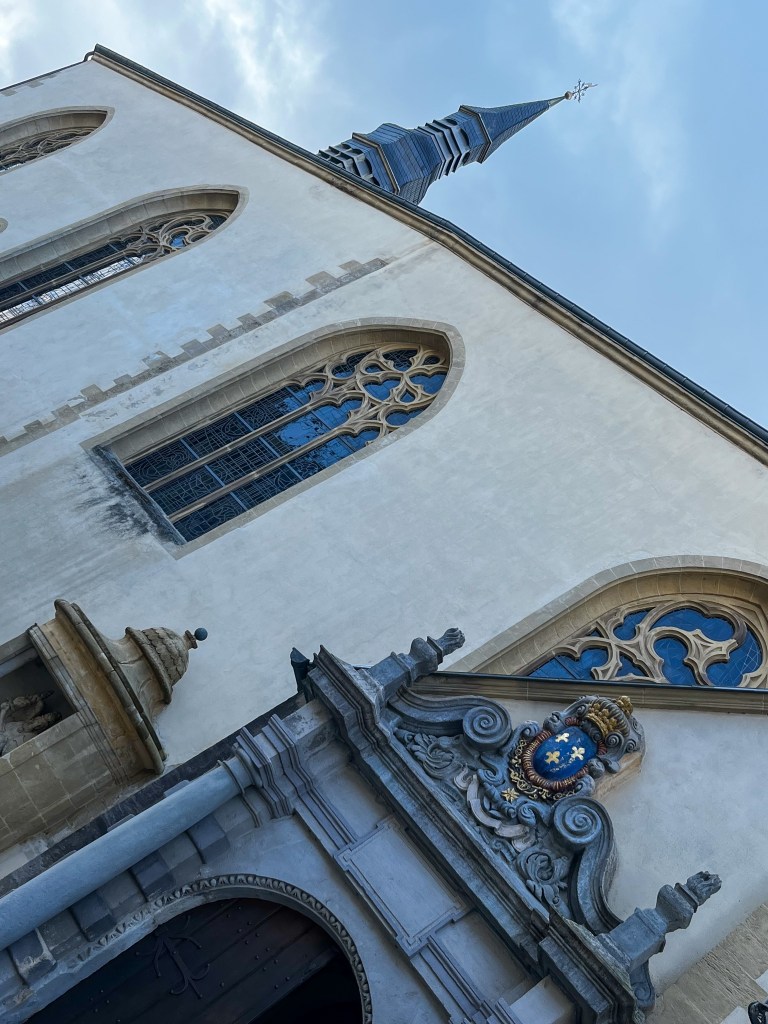
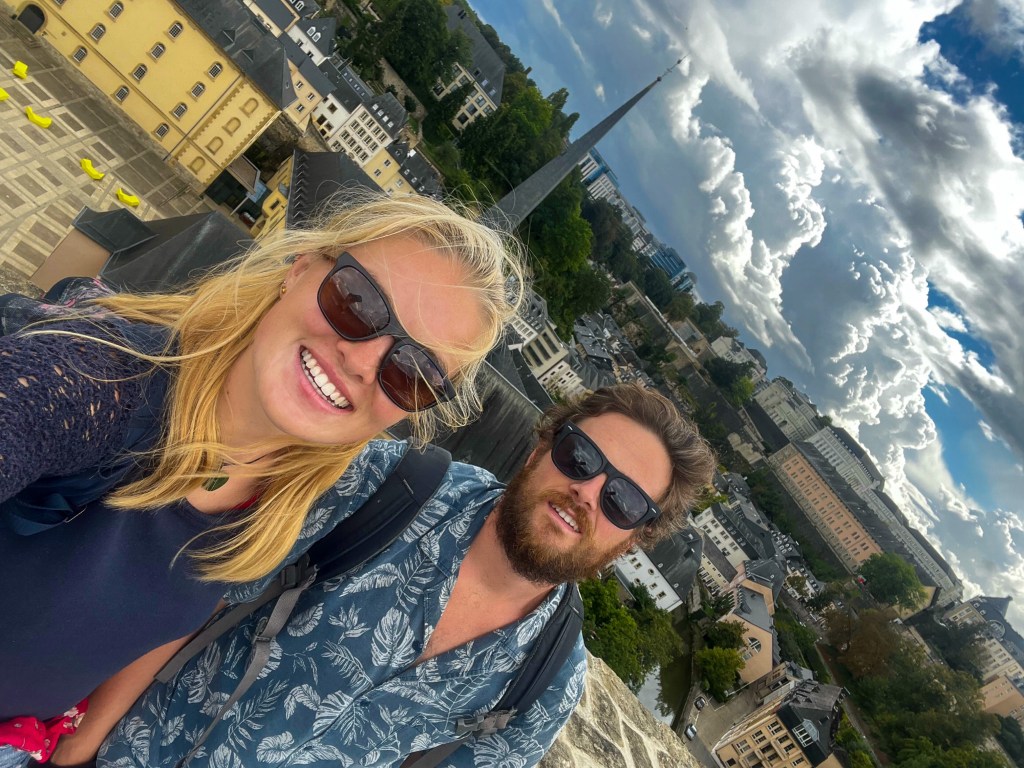
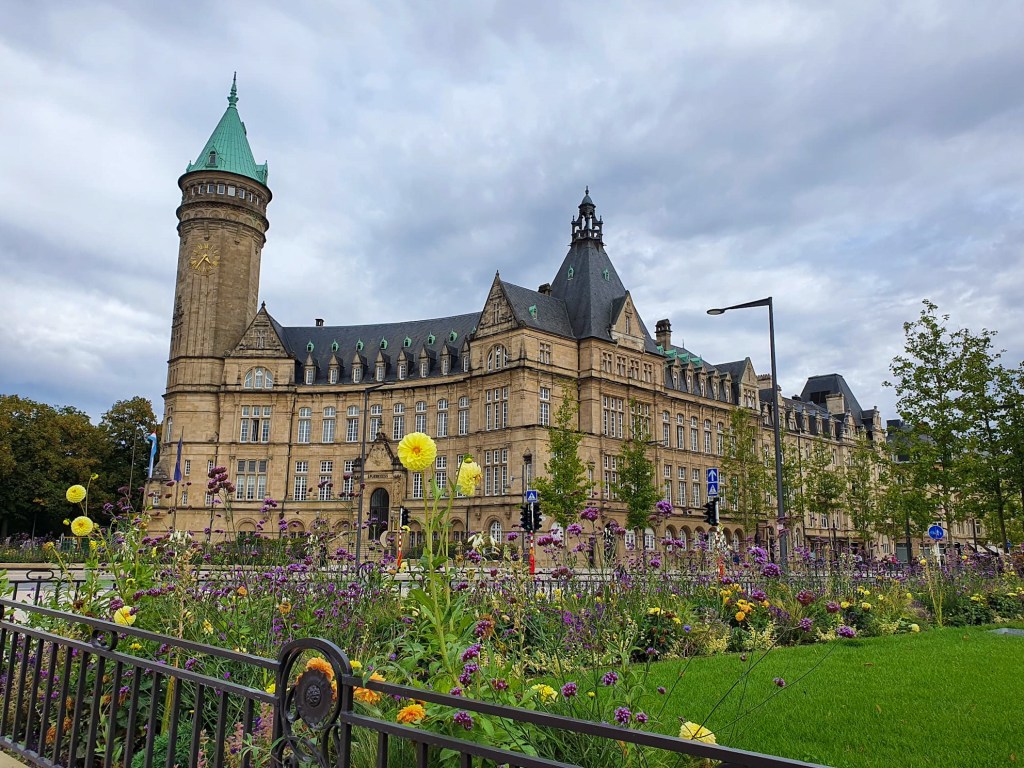
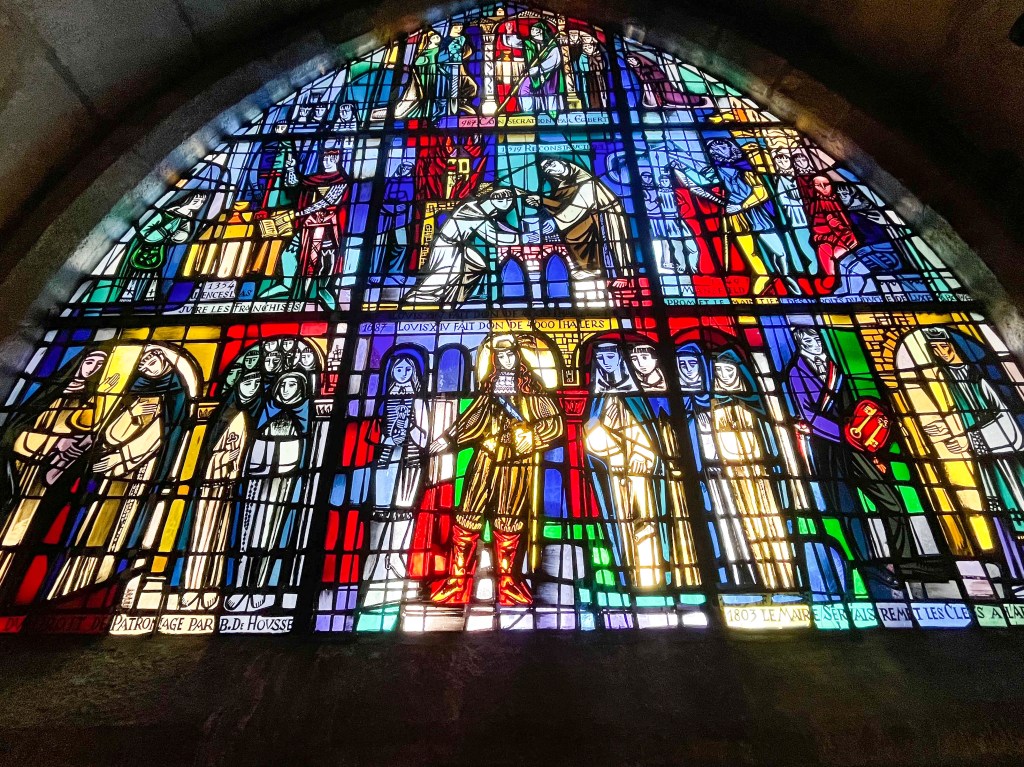
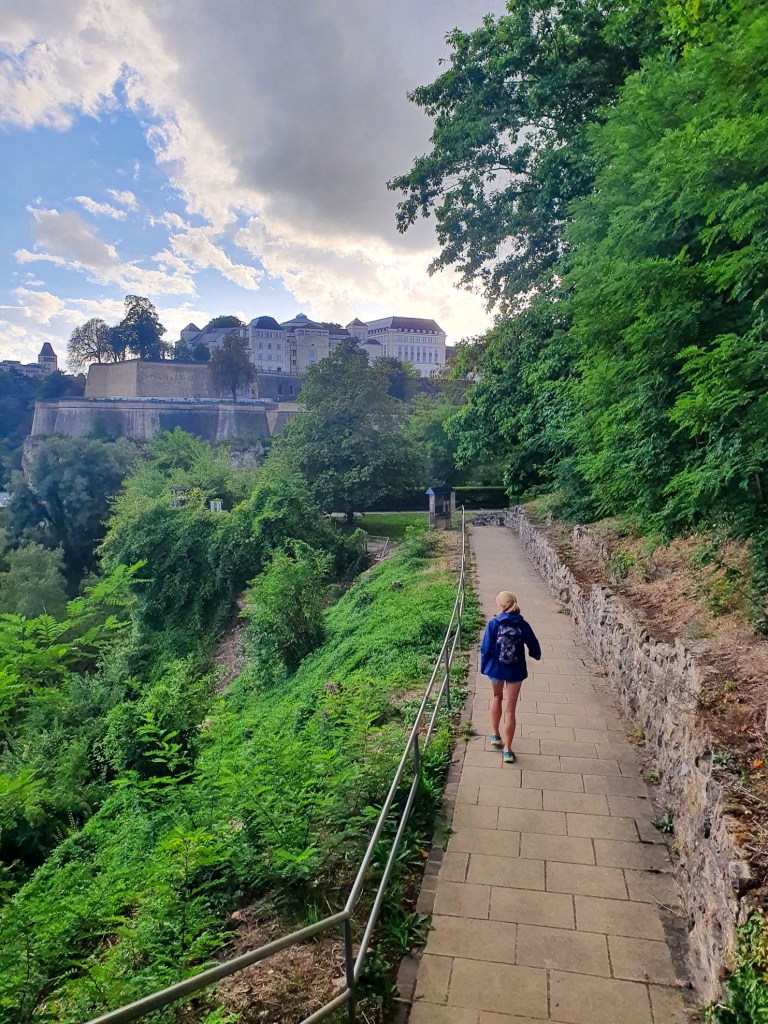
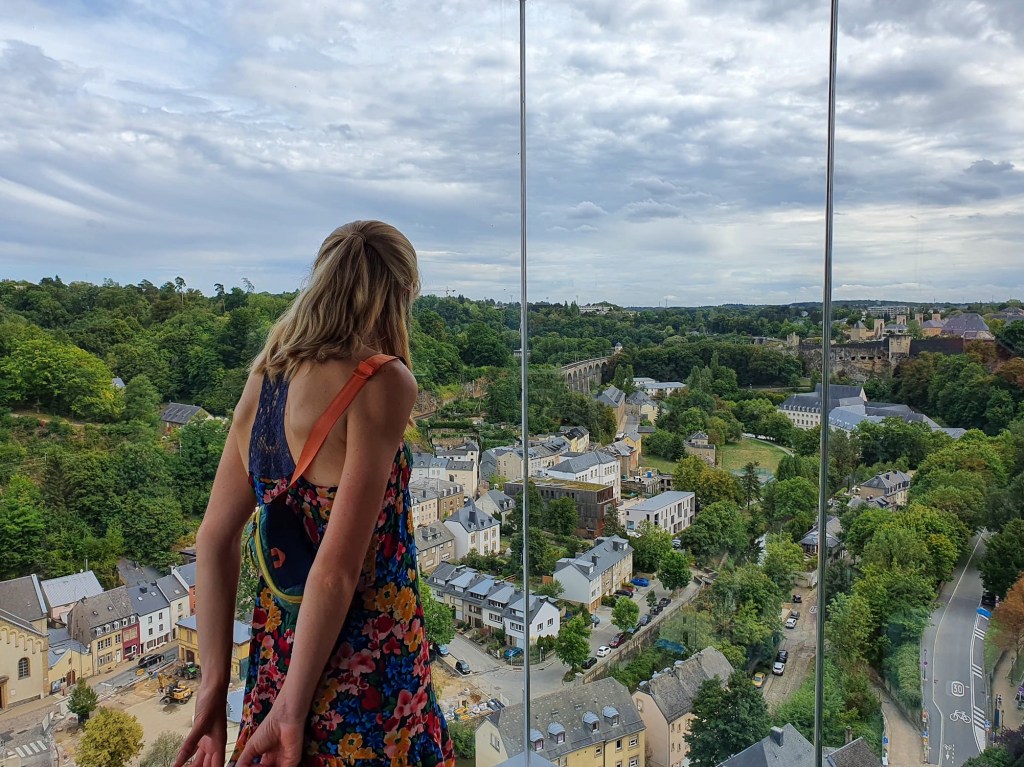
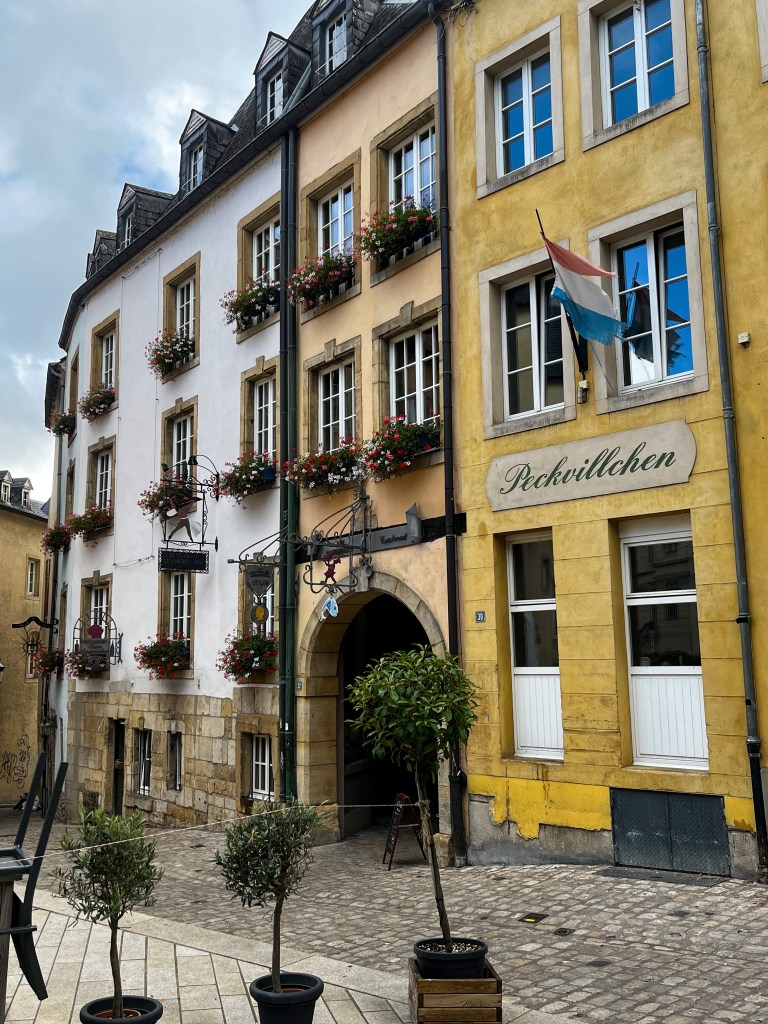
A few of the many monuments we marvelled at were the à Dicks et Lentz, Monument of Remembrance, Grand Duchess Charlotte Bridge, Entrence Aquatunnel, Cathédrale Notre-Dame, Palais Grand-Ducal and Pont du château.

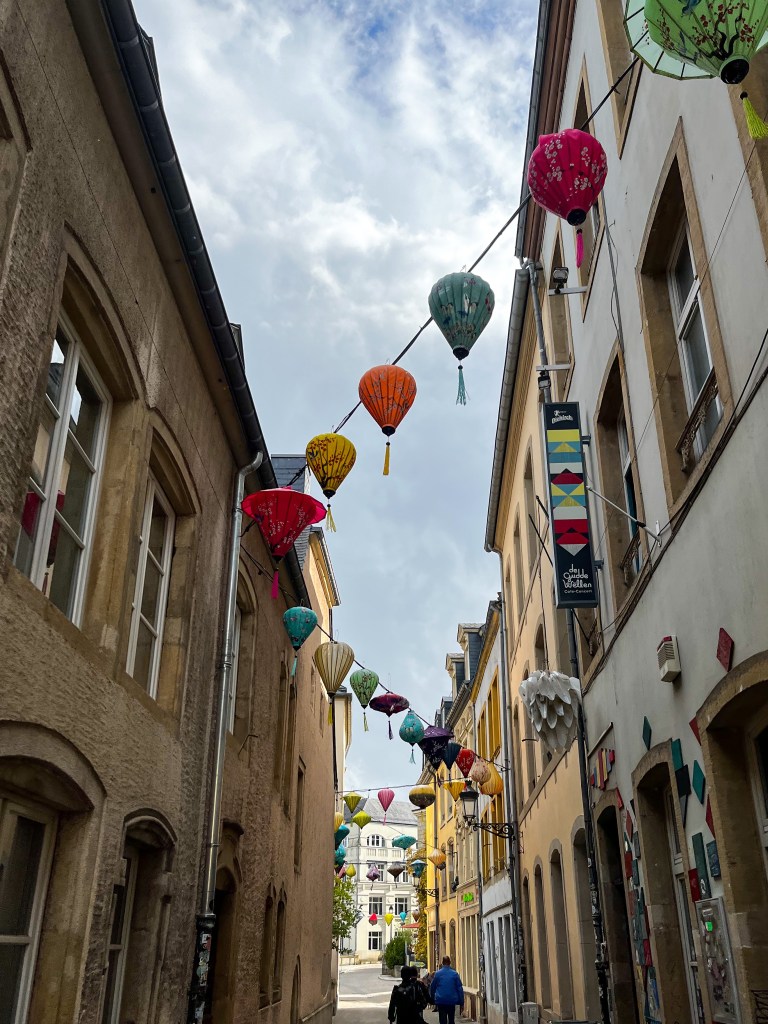

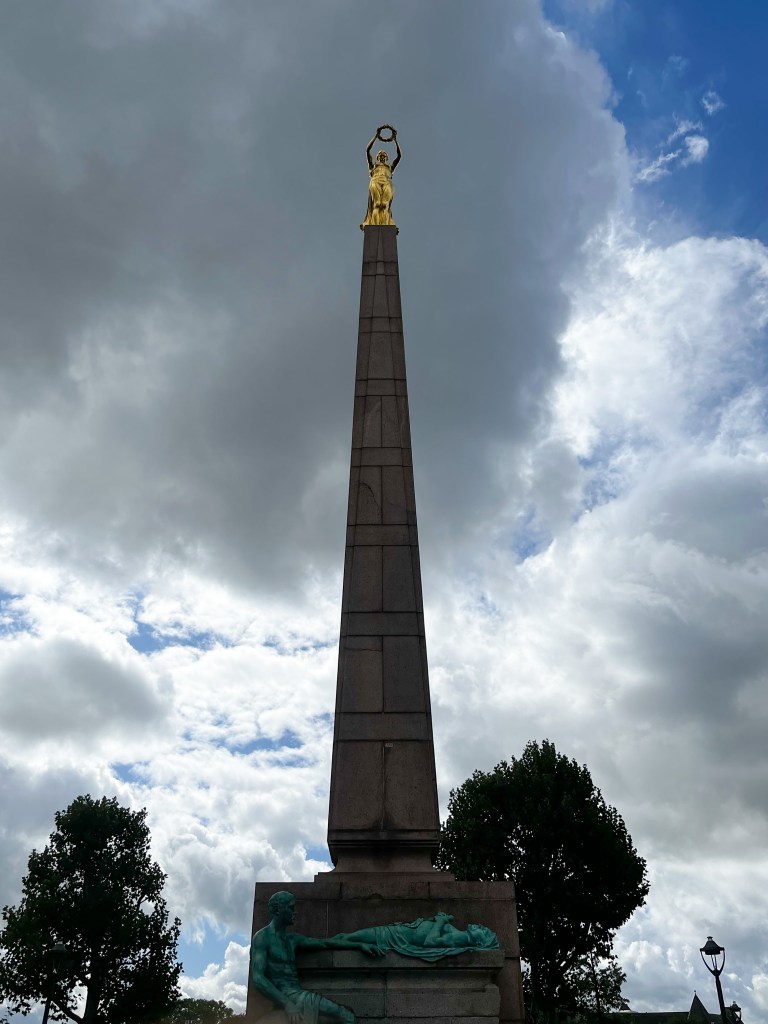
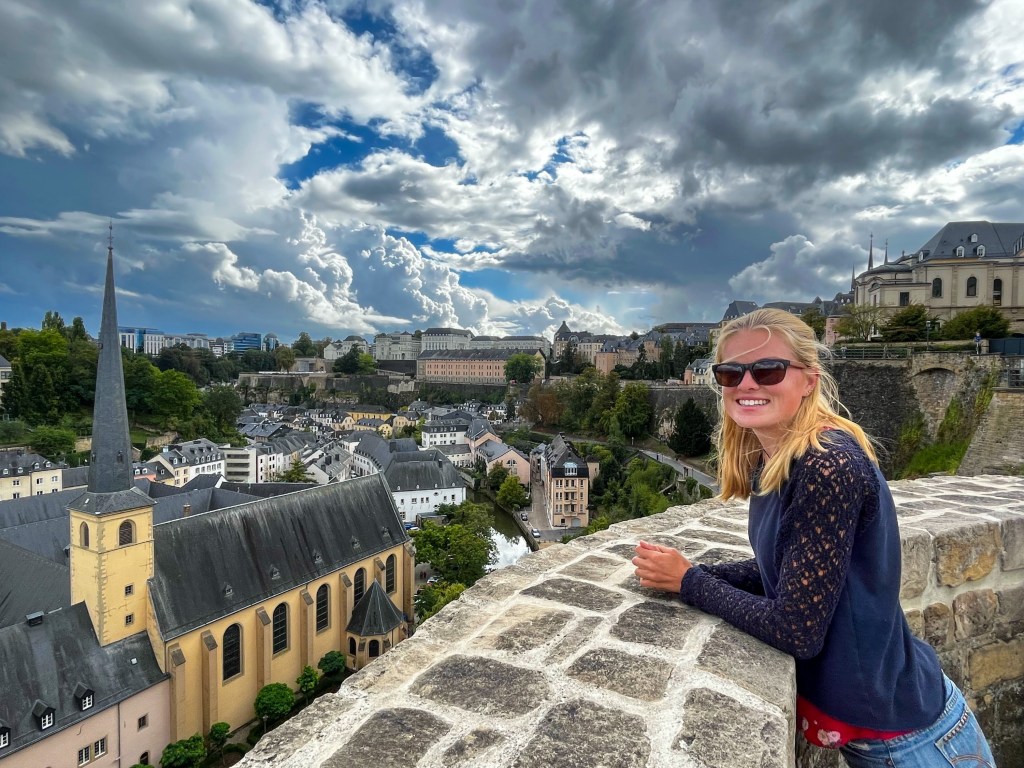
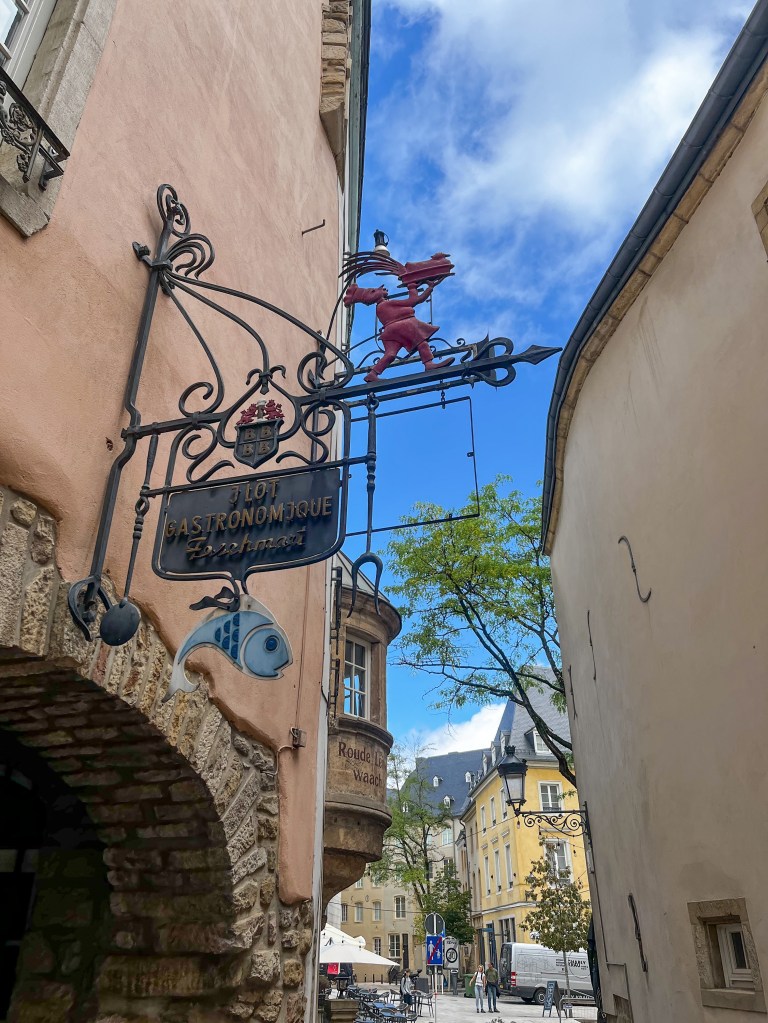
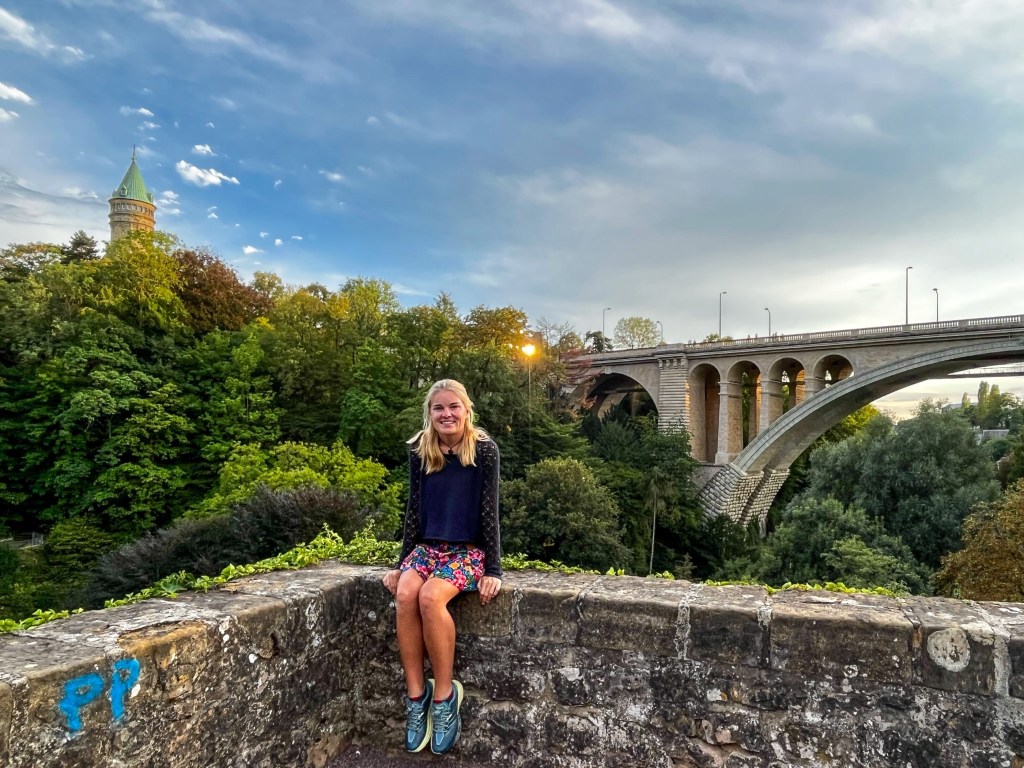

Some of the sights we explored included the Pont Adolphe, Tours Vauban, Rham-Plateau, neimënster, Chemin de la Corniche, Garden of Luxembourg, Fort Rumigny and Fort Thüngen.
Luxembourg may have also had the prettiest view I have seen during our time in Europe… so far.
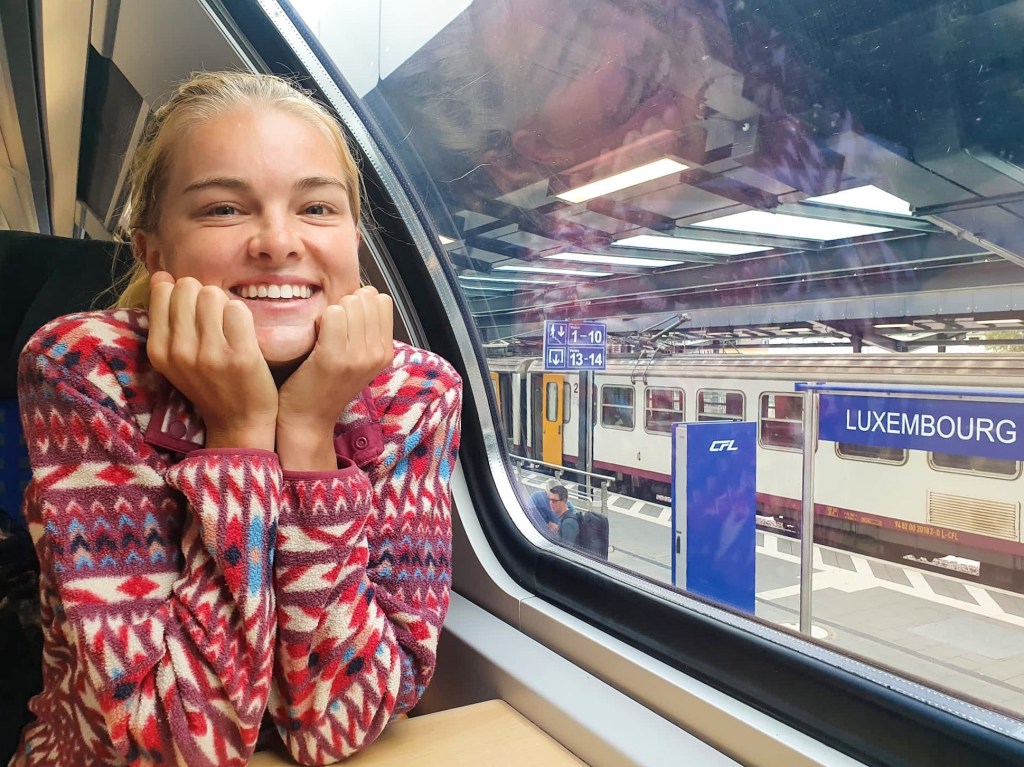
Now aboard a train, N.D and I are heading to a different city in a country we have already visited… 😉

 GC Chronicles